GLP-1 News for 2026: New Regulations for Compounded Semaglutides
May 21, 2026

Portrait Care Team
Empowering Professionals at Every Stage
Portrait offers strategic expertise to help you make informed decisions and achieve long-term success.
Book Intro CallHere’s what you need to know up front: Running a medical weight loss program with GLP-1 meds in 2026 is a different game. If you want your program to stay strong, you have to stay on top of new regulations, FDA enforcement, and sourcing rules.
There is still lots of opportunity to support patients with medical weight loss. In fact, GLP-1 patients spend about 63% more with med spas and are four times more likely to be new clients. But you need to get it right.
This guide will walk you through the biggest changes in GLP-1 compliance for 2026, how the rules affect your business, and exactly what to update to keep your program compliant and running smoothly.
What's New for Med Spas Running GLP-1 Programs in 2026?
The compounded semaglutide game has changed a lot since the days of drug shortages. During the shortage, compounding had more flexibility. That’s gone now, and if you’re still using the same sourcing and prescribing habits as you did a couple of years ago, your clinic is likely at risk.
Why Clinics Turned to Compounded Semaglutide
Patients wanted weight loss medications, but brand names like Ozempic and Wegovy were hard to get. So, compounding pharmacies stepped up fast, and med spas jumped in because it was easy and the rules were a bit murky. By 2025, the U.S. weight loss market hit $135 billion, and around 60% of med spas were offering GLP-1 programs. Many based these on compounded semaglutide.
Here’s What’s Changed in 2026
On February 21, 2025, the FDA said the semaglutide shortage was over. That took away most of the legal reasons for compounding it. By spring, most compounding without specific medical necessity became illegal. Then, in 2026, enforcement really picked up.
The FDA sent 30 warning letters to telehealth companies in March alone, and by the end of April, they proposed taking semaglutide, tirzepatide, and liraglutide off the 503B Bulk Drug Substances List altogether.
This isn’t just a pharmacist problem. The new rules touch your intake, marketing, charting, inventory, and how you talk to patients.
Understanding Compounded Semaglutide Rules
Compounded semaglutide isn’t an FDA-approved drug. Compounding creates a medication for a specific patient, not a mass-produced, FDA-reviewed product. That matters legally, clinically, and for daily operations.
Shortage Status and When Rules Changed
When a drug’s on the official FDA shortage list, you’ve got more room to compound it. When it’s not, that room disappears. The shortage ended in February 2025. Flexibility for 503A pharmacies ended April 22, 2025. For 503B outsourcing facilities, it ended May 22, 2025. Don't just believe what vendors tell you, and always check directly with FDA resources or a healthcare lawyer.
The Difference Between 503A and 503B Facilities
- 503A pharmacies are state licensed. They mostly compound only if there’s a real medical reason, like a patient allergy. And the standard for this is very strict.
- 503B outsourcing facilities can make bigger batches, but can’t compound copies of approved drugs unless those drugs are short. Now that semaglutide isn’t on the shortage list, legal paths are tight.
"Essentially a Copy" Issues
If you’re using compounded semaglutide just because it’s cheaper or easier, that’s a problem. Regulators look closely for compounded versions that basically copy commercial FDA-approved drugs without a clinical need. Price isn’t a good enough excuse. If your clinic has been doing this, fix it right away.
Semaglutide Salts and Drug Quality
The FDA is warning about things like semaglutide sodium and semaglutide acetate. These aren’t the same as in FDA-approved meds, and the FDA hasn’t seen any valid reason for their use in compounding.
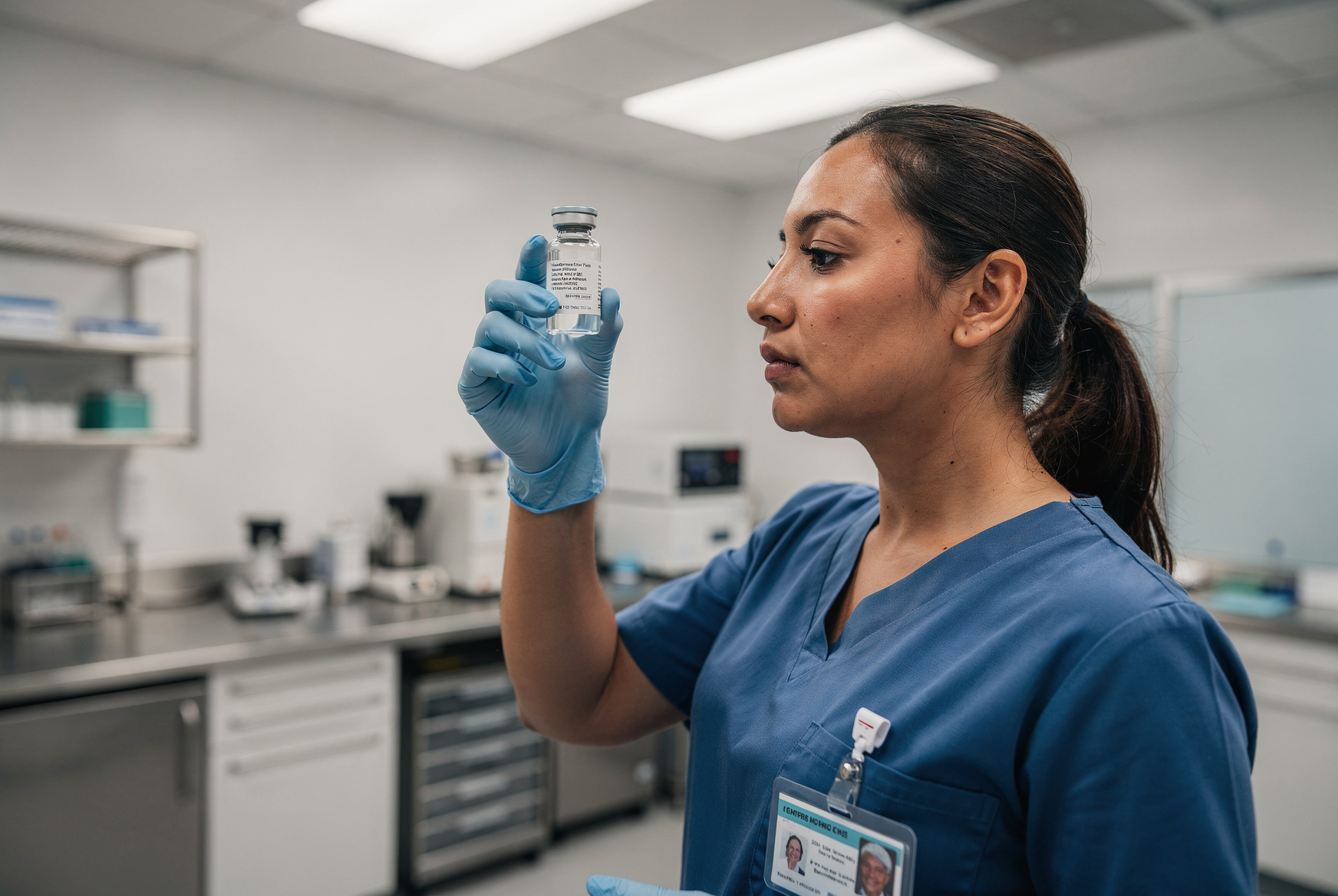
Always check what’s actually in the compounded meds, get certificates of analysis, and confirm your supplier’s compliance. As of July 2025, the FDA got 605 adverse event reports tied to compounded semaglutide, but the real number’s probably higher.
How These Changes Affect Your Med Spa’s Weight Loss Program
Compliance is everyone’s job. It affects:
- How you get new patients
- How you screen and evaluate them
- How you document care
- How you order, stock, and track meds
- How you communicate with patients
Patient Leads and Advertising
The FDA’s 2026 warning letters targeted clinics and telehealth companies for using phrases like “same active ingredient as Ozempic,” “generic Zepbound,” or “from the same family as Mounjaro.” If you've got anything like that on your website or in your ads, take it down.
Be clear with patients about the difference between FDA-approved meds and compounded ones. Don’t promise specific weight loss results or use before-and-after claims that sound guaranteed.
Medical Intake and Screening
Prescribing GLP-1s is medical care. Every new patient should get:
- Full evaluation of BMI, weight, and comorbidities
- Complete check of medications and supplements
- Screening for contraindications like MTC or MEN-2 in family history
- Review of prior weight loss attempts
- Clear informed consent
State boards are checking if contraindication screens and informed consent happened at the same visit as the prescription.
Monitoring and Adverse Events
Follow-up isn’t optional. Check in with your patients at 1, 3, 6, and 12 months. At each visit, you need to review:
- Weight and body composition
- Lab results
- Side effects like nausea, vomiting, diarrhea, constipation, or dehydration
Watch out for more serious complications. Have an escalation plan and document everything.
Ordering, Inventory, and Chain of Custody
Stop informal ordering. Keep clear records for every product including:
- Source
- Lot number
- Expiration date
- Storage conditions
- Which patient the med goes to
If you order from a 503A pharmacy, every dose needs a patient-specific prescription. If you stock meds without that, you’ve got a compliance problem. Clean this up now before an inspection catches it.
GLP-1 Compliance Checklist for Clinic Owners
Here’s a quick audit list. This isn’t legal advice, you still need to work with your healthcare legal counsel, medical director, pharmacy partners, and check your state board’s latest guidance.
Check All Your Suppliers
- Verify licenses
- 503A or 503B status
- FDA registration, if needed
- State pharmacy board status
- Get certificates of analysis for every product
- Understand the adverse event reporting process
Review Your Prescribing
- Make sure your prescribers are qualified
- Check medical director involvement
- Make sure telehealth providers are licensed in the patient’s state during visits
- Understand state rules for telemedicine and prescribing
- Document medical necessity every time
Your telehealth provider needs to be licensed in the same state where the patient is for the visit, or it’s unlicensed practice.
Update Informed Consent and Education
- Be clear if the med is FDA-approved or compounded
- Discuss risks and side effects
- Set expectations for follow-up
- Tell patients what to do if they have symptoms
- Have your consent language reviewed by a compliance expert
Audit Website, Ads, and Social
- Check every channel (website, ads, email, SMS, booking, etc.)
- Delete language that misleads patients about compounded meds being “FDA-approved” or uses brand names wrong.
- Don’t claim guaranteed results.
Train Front Desk and Patient Coordinators
- Give non-clinical staff clear scripts on what they can and can’t say about meds, prices, eligibility, or weight loss
- Clinical questions should always go to clinical staff
Business Risks if You Ignore These Rules
Not following the new policies can snowball into bigger problems. Here’s what clinics are dealing with:
- Product supply interruptions
- Complaints from patients or the medical board
- Banned ads or account restrictions
- Reputation damage
- Loss of trust from your patient base
- Serious violations in telemedicine can mean criminal charges, losing your license, or having to close shop
One mistake can ruin your reputation with patients, regulators, and suppliers.
Margins Under Pressure
If your business relies on cheap compounded products, your model isn’t solid. Restrictions, product changes, and supply issues will make margins swing and disrupt patient care. Price and set up your program with compliant supply, even if it means lower per-unit profits than a few years ago.
Building Patient Trust and Continual Care
Patients want details about what they’re getting, why you’re prescribing it, how you’ll monitor them, and what happens if anything changes. Being upfront keeps patients loyal and turns them into word-of-mouth referrals. Hiding things or staying vague just breeds confusion and complaints.
Operational Roadblocks as You Grow
Spreadsheets and sticky notes might work for a handful of patients. But as your GLP-1 program gets bigger, manual systems invite mistakes. If you want to scale, you need everything connected, including your charts, ordering, follow-ups, and documentation.
How to Build a Defensible GLP-1 Program
The clinics that thrive this year are those treating GLP-1 medications as real medical care, not a casual wellness perk.
Standardize Clinical Protocols
- Document your patient intake requirements
- Set schedules for follow-up and refills
- Spell out when to change doses, escalate, or refer out
- Have your medical director sign off on everything
- Update your protocol when regulations change
Keep Clinical Decisions Away from Marketing Pressure
Just because patients ask, doesn’t mean they get the med. Evaluate each person individually. Don’t run one-size-fits-all GLP-1 programs. These are big compliance and liability problems.
Let Your EHR Help with Compliance
If you’re using the right EHR, staying compliant is easier. Look for features such as:
- Chart templates with required fields
- Built-in consent forms
- Follow-up reminders
- Patient messages
- Inventory and tracking tools
- Customizable reporting
A set process for evaluations, protocol-driven treatment, and scheduled monitoring makes life easier for you and your staff. Get software that supports your workflow.
Be Ready for New Products
There are now more FDA-approved oral GLP-1s. Oral Wegovy got approved in December 2025, and oral orforglipron (Foundayo) in April 2026. See how these fit with your other programs, nutrition plans, memberships, and maintenance. Build some wiggle room into your business model so you’re not caught off-guard.
How Portrait Helps You Save and Run Smoother
Margins are tight this year. You can’t just use cheap compounded meds for weight loss anymore, so you’ve got to handle supply costs carefully. Portrait’s online marketplace helps med spa owners get solid deals on wellness and weight loss meds, with up to 60% savings. Part of the savings hit right away, and part stack up as rebates for future orders, so your margin keeps improving.
Everything’s in one spot, including ordering, inventory, reminders, and spend tracking. You’ll know what you’re spending and saving, so planning just gets simpler. Portrait also gives you an all-in-one EHR, scheduling, payment, compliance tools, MD matching, Good Faith Exam features, and marketing help. The automated workflow moves patients from booking to doctor review, tracks follow-ups, and makes it easy to rebook, so your team spends more time with patients and less on paperwork. For states like Texas or California with tougher rules, Portrait already has resources built in. Check it all out at portraitcare.com.
Keep Your Clinic Ready for What’s Next
Here’s the bottom line: 2026 isn’t the year to run a GLP-1 program on autopilot. The FDA’s serious about enforcement. States are reviewing records and the compounding landscape is shifting fast. But the opportunity is still there. GLP-1 patients stick around, spend more, and want real medical care.
Follow new rules, work with the right advisors, and use platforms that give you a full view of your program. With the right setup, you can build a GLP-1 program that’s compliant, efficient, and built to last. For support with your GLP-1 program and more, contact Portrait for an intro call.
One Platform.
Everything You Need.
Everything You Need.
Portrait combines the technology, support, and savings to run and scale your modern medical wellness business.
Book Intro Call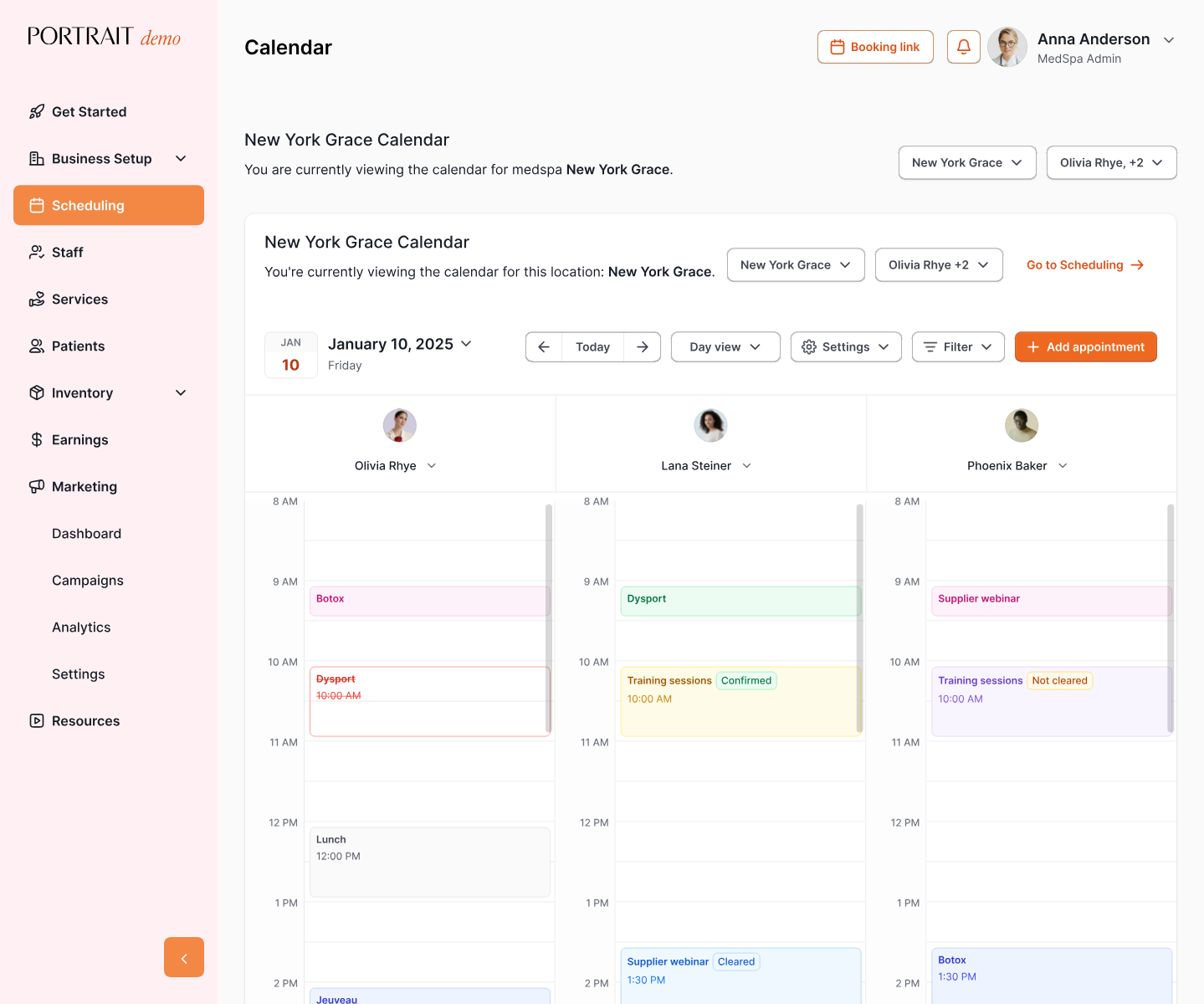
Stay Connected with Portrait Care
Subscribe to our email list and receive the latest insights, updates, and exclusive content delivered straight to your inbox.