BPC-157 FDA Approval Status: Is It Approved for Human Use?
May 21, 2026

Portrait Care Team

Empowering Professionals at Every Stage
Portrait offers strategic expertise to help you make informed decisions and achieve long-term success.
Book Intro CallBPC-157 isn't FDA-approved for human use as of the writing of this article. Offering it in your med spa carries significant regulatory risks for your clinic, your license, and your patients. Even though demand is high and patients are curious, you need a clear understanding of the FDA's position before adding any peptide to your protocols.
If you're getting questions about BPC-157, you're not alone. It's popular in biohacking circles and often pops up in patient consults, but the FDA hasn't approved it for human therapy. Let's break down what that means for medical practice and your business.
BPC-157 FDA Approval Status: The Short Answer
Here's the bottom line: BPC-157 isn't FDA-approved for any indication. There's no prescription drug containing BPC-157 that's legally approved for human use in treating injuries, inflammation, gut issues, or pain.
"Not FDA-approved" just means the FDA hasn't reviewed or signed off on its safety, efficacy, dosing, or manufacturing for people. It doesn't mean BPC-157 is proven unsafe, but you shouldn't assume it's safe either. If you're running a medical clinic or med spa, this is a big deal for compliance and safety.
What Is BPC-157?
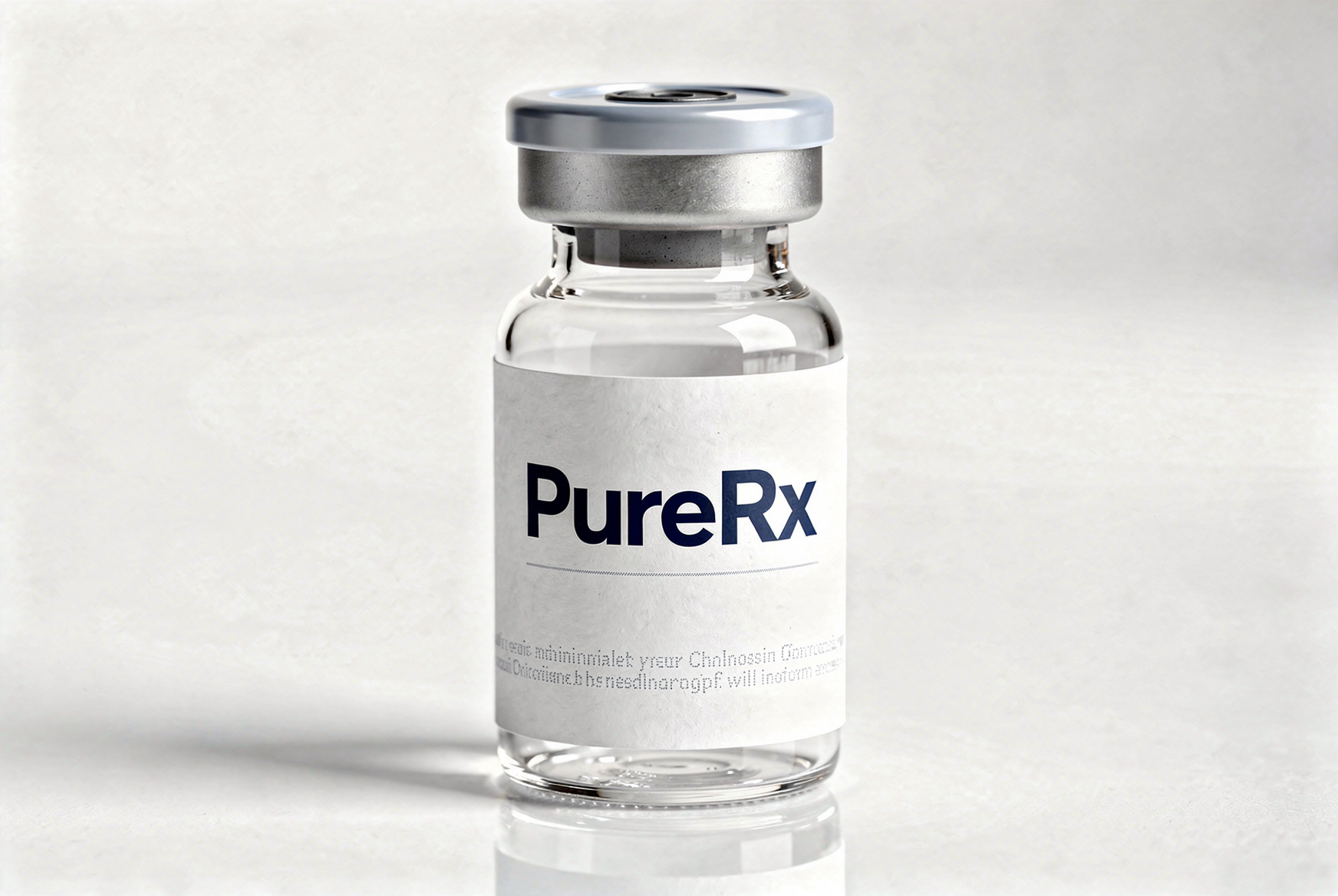
BPC-157 stands for Body Protection Compound-157. It's a synthetic peptide with 15 amino acids derived from a protein in human gastric juice. Researchers have tested it in animals for its regenerative effects. You'll hear a lot about it in discussions about healing, tissue repair, and inflammation.
People say BPC-157 can help with soft tissue recovery, joint health, nerve healing, and inflammation. But these aren't approved medical uses. Examine.com reports most benefits are from animal studies. There's very little solid evidence for similar results in people. Most claims are based on lab data, not real clinical trials with humans.
Why Patients Ask Med Spas About BPC-157
Patients hear about BPC-157 through social media, podcasts, and fitness communities. Some call it the "Wolverine Peptide" because of its supposed healing powers. Many ask about it in med spas since their primary care doctor may not know much about peptides or may not offer them.
You need to be ready to answer questions and guide patients. Curiosity or seeing a trending substance doesn't mean it's clinically indicated or safe.
Common Forms Patients May Mention
Patients might ask about BPC-157 in these forms:
- Injectable
- Oral capsule
- Nasal spray
- Topical
It doesn't matter which form they ask about. None of these are FDA-approved for human use. If a patient says they bought it online or heard another clinic offers it, that's your cue to educate, not to consider providing it.
What FDA Approval Means for a Med Spa Treatment
When the FDA approves a drug, it's for a specific purpose, dose, and route. That approval doesn't just mean "this is good for wellness"—it's for a very specific context.
For your clinic, this impacts:
- Your service menu
- Treatment descriptions
- Consent forms
- Marketing materials
If you say a treatment is "FDA-approved" when it isn't, or hint at benefits the data doesn't back, you risk regulatory trouble. The FDA controls all drugs, devices, and biologics you use in your practice, including how you use them and what you say about them.
FDA-Approved vs. Compounded vs. Research-Use Products
Not all products are the same. These categories matter in compliance:
- FDA-approved drugs: These go through Phases I-III clinical trials, get reviewed, and are approved for specific indications and doses.
- Compounded medications: These are made by licensed pharmacies (503A or 503B) for specific patients with a valid prescription. They're not the same as FDA-approved drugs.
- Research-use-only products: Not approved for humans at all. Labeling something "for research use only" doesn't protect you from legal risk—in fact, it shows you knew it wasn't approved for use in patients.
Why "Available Online" Does Not Mean "Legal for Patient Use"
Seeing BPC-157 or any peptide online doesn't prove it's safe, legal, or high-quality. McGill University's Office for Science and Society points out most gray-market BPC-157 comes from unregulated compounding, so there's no promise of purity or proper labeling. Always verify your suppliers and substance status.
Can BPC-157 Be Prescribed, Compounded, or Administered?
In short: You should be extremely cautious. Don't do anything without legal and clinical review.
The FDA has flagged BPC-157 because of risks like immunogenicity (it could trigger immune reactions), peptide impurities, and lack of human safety data. Read more about these FDA concerns here. Check with your medical director, a healthcare attorney, and legitimate pharmacy partners before you even think about peptide therapy. Don't follow what others are doing blindly.
What the FDA Has Said About BPC-157 and Compounding
In September 2023, the FDA put BPC-157 in Category 2 of the 503A Interim Bulks Guidance, which stopped pharmacies from compounding it. By April 2026, they took it out of Category 2 because its nominators withdrew their nominations—but that doesn't mean it's now clear to use. Amanecia Health notes the FDA still has requirements if something can be compounded.
The FDA has scheduled a Pharmacy Compounding Advisory Committee meeting for July 23, 2026 to review BPC-157 for the 503A Bulks List. That could change the situation. Until then, treat BPC-157 as high-risk. Check current FDA status and sourcing rules before making decisions.
Why State Rules and Medical Board Guidance Still Matter
FDA status is just one part of compliance. You also need to follow:
- State medical practice acts
- Nursing board rules
- Scope of practice laws
- Delegation standards
- Medical director oversight policies
- Prescribing rules
- Marketing regulations
Some state boards have already started to investigate med spas for using peptides not approved by the FDA, so don't underestimate local rules.
Business Risks of Offering Non-FDA-Approved Peptides
Choosing to offer non-FDA-approved peptides isn't just a clinical risk—it's a business risk too. You could run into issues like:
- Compliance violations
- Patient safety problems
- Malpractice insurance coverage gaps
- Reputation damage
- Marketing and advertising claims risk
Using restricted substances can even threaten your malpractice coverage. Federal enforcement, state penalties, and lawsuits have all happened to clinics that mishandle peptides.
Marketing and Advertising Risk
Don't say or imply BPC-157 heals injuries, repairs tissue, treats the gut, or cures pain. Non-FDA-approved claims can get you in trouble with the FDA and FTC. The FTC does go after false health claims, and the FDA doesn't allow off-label drug promotion. Run any patient-facing BPC-157 content by your medical director and legal advisor first.
Patient Consent and Documentation Risk
If a patient asks about BPC-157, document the question and your reply. Record what you told the patient, why you made your clinical decision, and any referrals you suggested. Don't use generic consent forms for this. Make sure every consent is specific for the service discussed. Don't use consent forms to justify a service that isn't ok.
Sourcing and Product Quality Risk
You can't be sure of product quality with most peptides sold online. Common risks include unknown purity, inconsistent concentration, contamination, bad storage, sketchy supply chains, and misleading labels. The FDA has flagged these risks with BPC-157. If you use gray-market stuff, you put both your patients and your practice at risk.
How to Respond When Patients Ask About BPC-157
You don't need a script, but you do need a consistent message. Listen to the patient, don't dismiss them, but be honest. Make it clear BPC-157 isn't FDA-approved and your clinic doesn't offer it. Don't promise anything, but don't slam the door either. Find out what they're really looking for, like recovery, better inflammation control, body goals, or wellness, and talk about treatments you can actually provide within scope and law.
If the patient pushes for something unapproved, loop in your prescribing provider or medical director. That's required for good governance and patient safety.
Keep the Conversation Educational, Not Promotional
Stick to facts: what we know, what we don't, and what's not approved. If you educate and stay honest, patients will usually trust you more. Clinics that handle these questions well build a good reputation. You can be on top of trends without offering everything you see online.
Offer Safer Alternatives Within Your Scope
Figure out what the patient actually wants to achieve. Often, you can help with:
- Recovery support
- Inflammation management
- Skin quality
- Body composition
- General wellness
Work with your medical director to list approved, evidence-based options so your staff can discuss them confidently.
What Med Spa Owners Should Do Before Adding Any Peptide Therapy
Before you add any peptide, do your homework:
- Check the FDA status
- Make sure your pharmacy is licensed and regulated
- Check state law and board guidelines
- Get your medical director's sign-off
- Check provider prescribing authority
- Review patient selection and consent language
- Make sure charting and documentation are solid
- Prep for adverse events
- Control your inventory
- Double-check your marketing
Just because "everyone else is doing it" doesn't mean it's okay. The FDA started cracking down on peptides in 2024 and 2025, sending warning letters to dozens of clinics, pharmacies, and websites—even the ones saying "research only." The heat is only rising.
Review Your Medical Director and Prescribing Workflow
If you're offering peptide-related services, you need clear oversight and protocols from your medical director, documented prescribing authority, good charting practices, and patient follow-up plans. Managers shouldn't make these decisions alone. If the medical director isn't involved, fix that gap immediately.
Audit Your Website, Social Media, and Intake Forms
Check all customer-facing content. Remove any unsupported claims, language about treating disease, "FDA-approved" tags that aren't accurate, and vague peptide menus. This applies to website text, social posts, booking systems, and intake paperwork. If you see something that implies BPC-157 or any unapproved peptide is clinically backed or approved, take it down and have legal and clinical experts review your copy before updating.
How Portrait Helps Clinics Buy Smarter and Stay Operationally Organized
Even while you're careful about your medical protocols, you can still save money and keep things running smoother behind the scenes with the right software.
Portrait's connected marketplace helps clinics get better prices on all sorts of compliant medical wellness supplies. You can find injectables, devices, GLP-1s, HRT, IV/IM supplies, skincare, and general clinic gear all in one place. Some clinics save over 60% on these basics.
Portrait makes inventory management easy, so your stock levels update automatically as you treat patients, and you'll get reorder alerts before running low. That means you won't waste time or money on last-minute orders or tracking down vendors.
You can see what you're spending, use those savings for marketing or hiring, and run everything from scheduling to payments and CRM on one platform. If you want to lower your supply costs and stay compliant, Portrait is a simple way to do it.
Protect Your Patients, Your License, and Your Margins
The FDA says BPC-157 isn't approved for patients right now. That could change after the committee review in July 2026, but today, it's not approved. Just because patients want something doesn't mean you can offer it. Getting this wrong could lead to fines, insurance issues, and damage to your reputation.
Talk to your medical director and lawyer before adding any new therapy. Vet every supplier. Review your marketing. Build your operations in a way that lets you handle any regulation change calmly and confidently.
If you want help running your clinic smarter, book an intro call with Portrait.
One Platform.
Everything You Need.
Everything You Need.
Portrait combines the technology, support, and savings to run and scale your modern medical wellness business.
Book Intro Call

Stay Connected with Portrait Care
Subscribe to our email list and receive the latest insights, updates, and exclusive content delivered straight to your inbox.