The Top Med Spa Treatments for 2026
Growth
Sep 17, 2026

Portrait Care Team
The Portrait Team

Empowering Professionals at Every Stage
Portrait offers strategic expertise to help you make informed decisions and achieve long-term success.
Book Intro CallIf you run a med spa in 2026, choosing treatment categories is a business, clinical, and compliance decision. Patients ask about injectables, body contouring, skin services, hair-loss options, and medical weight management. Owners need to evaluate demand alongside scope-of-practice rules, training, equipment, consumables, staffing, and regulatory status.
The strongest menus match local search interest and consultation demand with services the clinical team can deliver consistently. Low downtime, natural-looking goals, and convenient plans remain common preferences. Clear screening, consent, realistic expectations, and accurate marketing help protect trust while building repeat visits.
This guide reviews the top 2026 categories for facial aesthetics, skin services, body contouring, hair loss, and weight management. It focuses on operational fit, staffing, patient education, and regulatory boundaries.
2026 Med Spa Trends: What Sets This Year Apart
Med spas serve broader patient groups under state-specific medical oversight. That creates growth opportunities while raising standards for protocols, documentation, supervision, and advertising. Owners should treat every new offering as a service-line decision.
Here’s what’s fresh in 2026:
- Combination appointments are common. Clinics may schedule neurotoxins with biostimulators or microneedling with PRF, but each component needs its own candidacy assessment, consent, and regulatory review.
- AI-supported imaging and consultation tools are attracting interest. Evaluate intended use, privacy, data handling, training, and how predictions are presented.
- Patients often request subtle changes and personalized plans. Consultations that document goals, alternatives, limitations, and expected follow-up can support conversion and reduce mismatched expectations.
Consumers research treatments before booking. Providers can stand out through transparent pricing, credential visibility, careful claims, and a consistent consultation experience.
Top Facial Treatments in 2026
Injectables remain a major category supporting consultations, recurring appointments, and related services. Owners should plan for licensed injectors, medical oversight, inventory controls, cold-chain requirements, adverse-event procedures, and product-specific labeling.
Neuromodulators: Next-Level Wrinkle Management
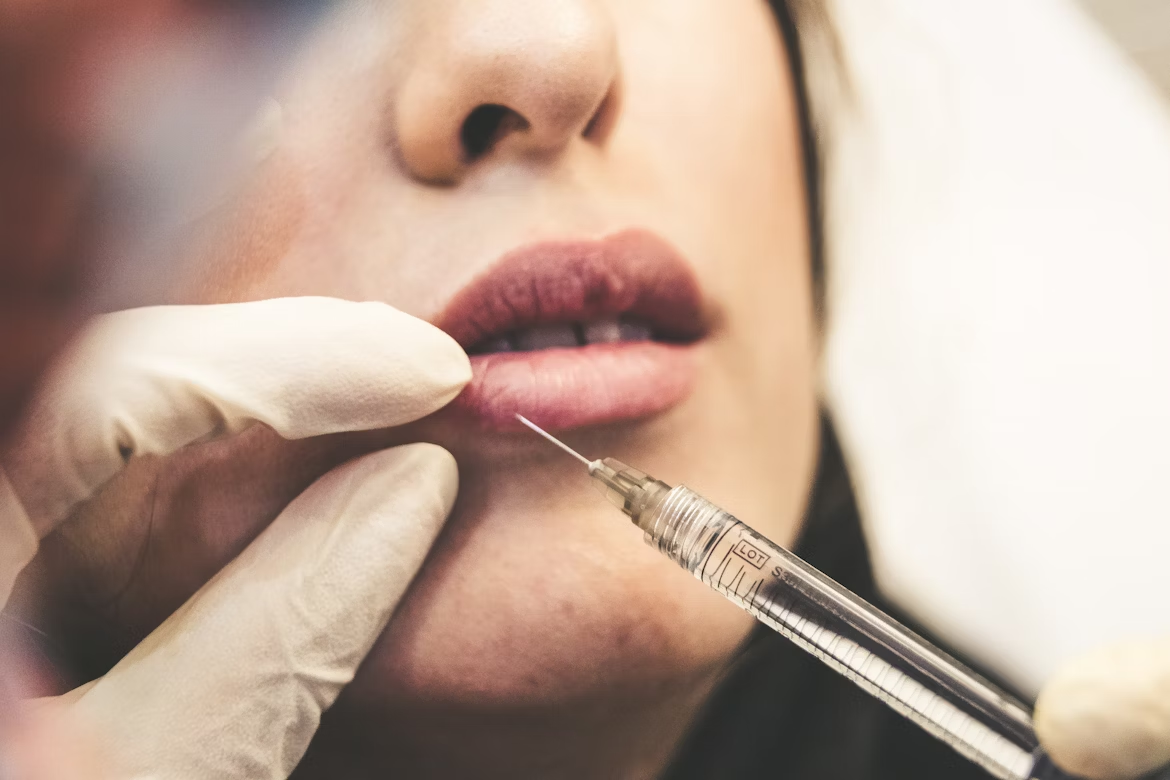
Botox, Dysport, Xeomin, Jeuveau, Daxxify, and products discussed internationally such as Relfydess (RelabotulinumtoxinA) draw patient attention. Availability and FDA status are product-specific and can differ by country. Before purchasing or advertising any product, confirm its current US approval, labeled indications, storage rules, sourcing channel, and required prescriber involvement.
For clinic owners, the business questions include acquisition cost, units used per appointment, injector time, rebooking cadence, and how unused inventory is managed. FDA approval does not cover every aesthetic use discussed online. Marketing and consent materials should distinguish labeled indications from off-label clinical use and avoid promising timing, duration, or a particular result.
Dermal Fillers and Bio-Remodeling Injections
Dermal fillers support several consultation categories, including lips, cheeks, and other facial areas. FDA approval is tied to the individual product, injection area, patient population, and labeling. A clinic should stock only products from authorized channels, track lot numbers, maintain complication protocols, and make sure marketing does not imply that one filler is approved for every requested area.
Products such as Sculptra and Radiesse are often grouped with biostimulatory injectables. Their FDA-approved uses are product-specific, and promotional copy should follow the applicable label. From a business perspective, owners should model vial utilization, staged appointments, photography, follow-up time, and the training needed for each anatomical area.
Lip consultations remain a visible source of demand. Standardized assessment, conservative scheduling, transparent fees, and a documented plan for urgent complications matter more than trend-driven language. Package design should never pressure a patient into additional injections.
Skin Rejuvenation: The Devices Clinicians Rely On
Device-based skin services can create a broad appointment pipeline, but utilization determines whether capital equipment earns an acceptable return. Owners should compare purchase or lease terms, consumables, maintenance, room turnover, operator requirements, and the exact FDA-cleared indications for each model.

Lasers and IPL
Modern laser devices include single-purpose and multi-wavelength platforms marketed for concerns such as pigmentation, redness, texture, and hair removal. FDA clearance is device- and indication-specific. Evaluate local demand, skin-type protocols, eye protection, plume controls, service contracts, credentialing, and expected room time before committing capital.
Microneedling and Radiofrequency (RF) Microneedling
Microneedling remains a frequently searched category for concerns such as scars, stretch marks, texture, and pores. Clinic owners should verify the device’s FDA clearance, needle-cartridge sourcing, infection-control workflow, treatment depth permissions, and which professionals may operate it under state law.
Radiofrequency microneedling adds energy delivery and a higher training burden. Platforms such as Morpheus8 and Focus Dual require model-specific review because clearance, indications, settings, and operator instructions are not interchangeable. Capacity planning should include consultation time, topical preparation, procedure time, turnover, consumables, and follow-up.
Microneedling with PRF and Other Regenerative Options
Some clinics combine microneedling with autologous PRF or PRP. FDA clearance for a blood-processing device does not mean FDA has approved the resulting preparation to treat a particular skin or hair condition. Owners should review the processing system, intended use, sterility workflow, state rules, consent language, and whether combination use falls outside a device’s cleared labeling.
Exosome products and stem cell-derived preparations require particular caution. There are no FDA-approved exosome products, and stem cell products are not FDA-approved for aesthetic skin or hair restoration. Clinics should not attach efficacy, mechanism, or outcome claims to these substances, and should obtain qualified regulatory counsel before considering procurement, administration, or promotion.
Chemical Peels and Hydrafacials
Chemical peels remain a familiar service category involving acids such as glycolic, salicylic, or TCA. Owners should set protocols by peel depth, staff license, patient screening, contact time, neutralization, and post-care needs. Product status and permissible use vary, so vendor claims should not substitute for regulatory review.
Hydrafacial-style services can fit recurring facial memberships and introductory appointments. Evaluate equipment cost, branded consumables, appointment duration, room turnover, staff training, and retail attachment without promising immediate or guaranteed cosmetic outcomes. Membership pricing should reflect labor, consumables, discounts, and cancellation behavior.
Body Contouring and Weight Management
Body-contouring and medical weight-management services attract different patients and carry different operational demands. Clinics should separate device services from prescription programs in staffing, charting, supervision, advertising, and financial models.
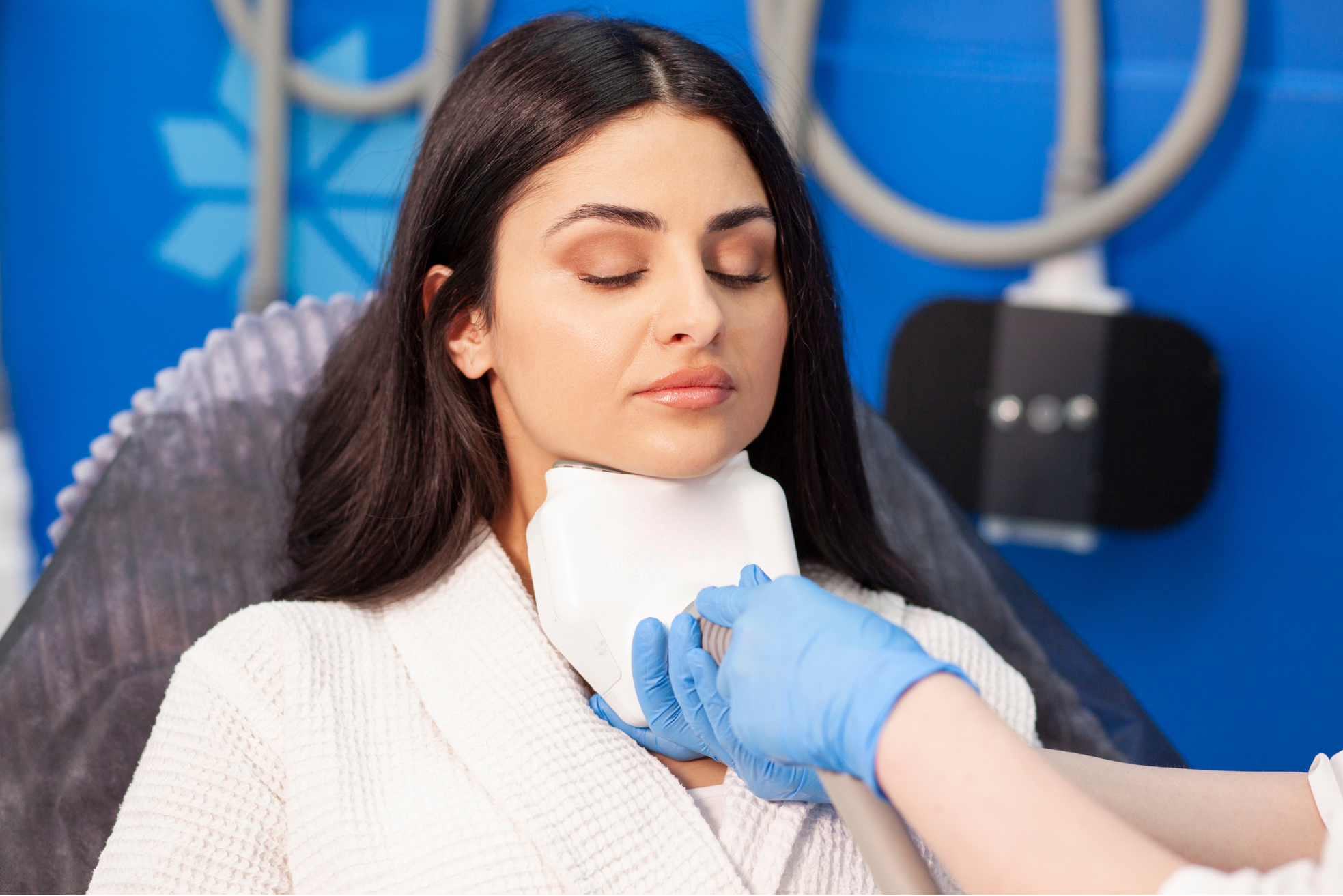
Fat Reduction without Surgery
- CoolSculpting uses cryolipolysis and is regulated as a medical device. Confirm the model’s current FDA-cleared indications, applicators, labeling, training, and safety procedures.
- Radiofrequency platforms such as TruSculpt and Morpheus8 have device-specific clearances. Do not generalize one platform’s indications or claims to another.
- Ultrasound cavitation devices vary widely. Verify FDA status, intended use, manufacturer instructions, operator qualifications, and permissible marketing before offering a service.
For any body-contouring device, profitability depends on financed cost, service agreements, consumables, treatment-room capacity, labor, consultation conversion, and sustained utilization. Price the service from those inputs and local competition rather than an unsupported market statistic.
Skin Tightening: Ultrasound and RF
Ultherapy is a focused-ultrasound platform with specific FDA-cleared indications. Before adding it, assess capital cost, cartridge use, provider training, appointment length, local demand, and the precise language permitted by the current labeling.
RF microneedling platforms, including Morpheus8, combine needles and radiofrequency energy. FDA clearance does not make every anatomical area, setting, or advertised outcome permissible. Written protocols, operator competency, maintenance logs, emergency procedures, and accurate patient-facing materials are essential.
Weight-Management: The Rise of GLP-1s
- GLP-1 medications include prescription products with FDA approvals that differ by drug, brand, indication, and patient population. Verify the exact product label before prescribing or advertising it.
- Programs require medical evaluation, appropriate labs, contraindication screening, medication sourcing, side-effect monitoring, follow-up, documentation, and continuity planning.
- Clinic economics should account for clinician time, care coordination, medication handling, patient churn, and any separate services without implying that a combined aesthetic procedure is medically necessary.
- KYBELLA is FDA-approved for moderate to severe submental fat in adults. It is not approved for fat elsewhere on the body.
Physician oversight and prescribing authority depend on state law and the clinic’s care model. Compounded drugs are not FDA-approved, and marketing should clearly distinguish them from FDA-approved products without suggesting equivalence.
Hair Loss: The New Standard in Restoration
Hair-loss consultations generate meaningful search interest and may support a recurring service line. Before expanding the category, owners should map what patients are asking for, which requests can be served lawfully, and when referral to a dermatologist or other specialist is appropriate.
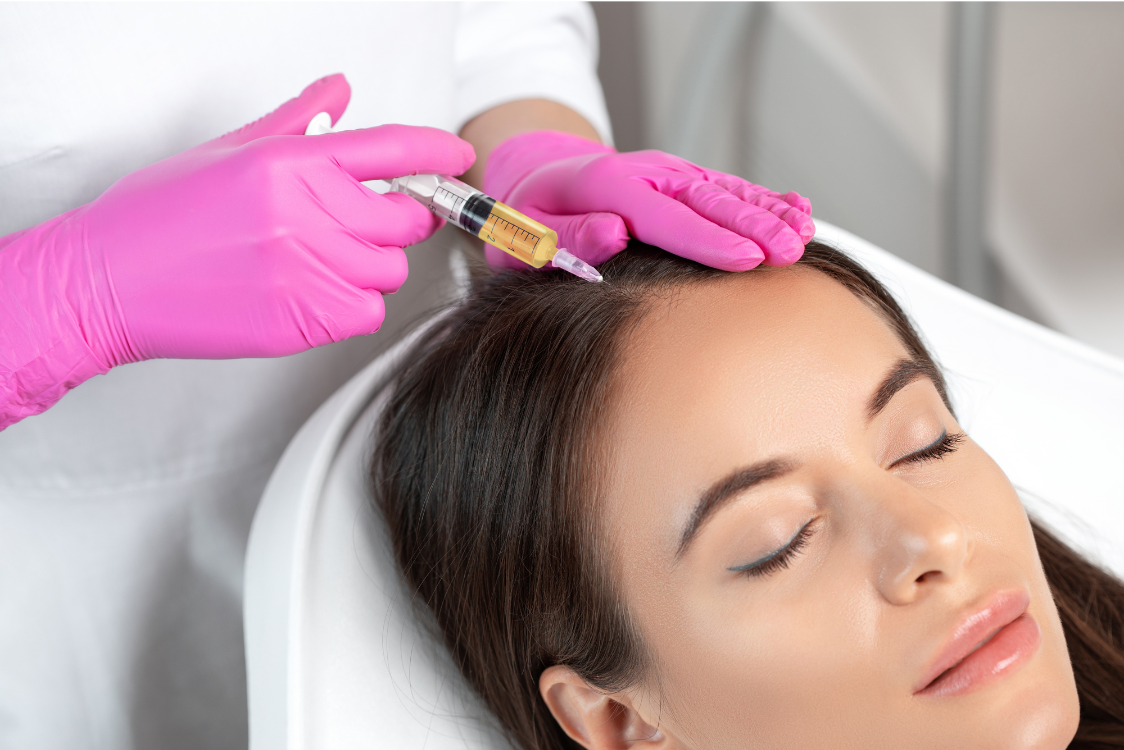
Here are the top picks in 2026:
- PRP services involve blood collection, processing, and scalp injections. PRP is not FDA-approved as a drug for hair restoration, and clearance of a preparation device does not constitute approval of the procedure for hair growth.
- There are no FDA-approved exosome products. Exosome preparations are not FDA-approved for hair restoration and should not be promoted with efficacy, mechanism, or outcome claims.
- Stem cell preparations are not FDA-approved for hair restoration. FDA-approved stem cell products are limited to specific blood-forming stem cells for disorders involving the hematopoietic system.
- PP405 is an investigational product, not an FDA-approved hair-restoration treatment. A development candidate should not be presented as an available clinic service.
Build the category around consultation quality and compliant operations. Review local search demand, referral patterns, clinician and phlebotomy staffing, centrifuge and sterile-processing needs, sharps handling, photography, follow-up capacity, and adverse-event procedures. Set prices from documented labor, equipment, supplies, medical oversight, and local benchmarks. Model margin only after those costs are known, and keep unapproved products off promotional menus.
Considering Your Treatment Options: A Guided Approach
A medical spa menu requires careful governance. Patient health, informed choice, and truthful communication should shape every service. A structured review helps owners decide whether a treatment belongs in the clinic before marketing begins.
Consultation: The Essential First Step
Before a medical spa procedure, a qualified provider should review medical history, medications, contraindications, prior procedures, aesthetic concerns, and relevant physical findings. The clinic should also confirm identity, document consent, and explain available alternatives.
This assessment helps determine candidacy under the applicable product label, device instructions, professional scope, and clinical judgment. It also gives the patient space to ask questions and understand uncertainty, downtime, follow-up, total cost, and the possibility that no treatment is appropriate.
Understanding Risks and Expected Outcomes
Every medical procedure carries risk. Possible adverse effects vary by treatment, product, device, anatomy, and patient factors. The consent process should cover common effects, material complications, escalation instructions, and who to contact after hours.
Expected-outcome discussions should use balanced, evidence-based language consistent with approved labeling and the individual assessment. Avoid guarantees, before-and-after implications that are not representative, and claims that warnings are meant to cure. A disclaimer does not neutralize promotional language placed beside an unapproved substance.
Choosing a Qualified Provider
Licensure, training, scope of practice, and medical supervision are central to patient safety and clinic risk. Owners should verify who may evaluate, prescribe, delegate, administer, and supervise each service under the laws of every state where the clinic operates.
Maintain primary-source credential checks, competency records, continuing education, and product-specific training. Reviews and testimonials can inform reputation, but they should not replace credential verification, incident monitoring, and clear accountability within the clinical team.
Preparing for Your Med Spa Experience
Consistent preparation supports safe operations and predictable scheduling. Each service should have approved pre-treatment instructions, screening questions, medication-review steps, consent documents, photography standards, and criteria for postponement or referral.
Instructions may address medications, supplements, alcohol, sun exposure, skin products, transportation, or other treatment-specific considerations. They should come from a qualified provider, align with current labeling and protocols, and be documented in the patient record.
Post-Treatment Care: Maximizing Results and Minimizing Downtime
Post-treatment workflows are part of the service, not an afterthought. Provide written care instructions, expected recovery information, warning signs, contact details, and follow-up timing appropriate to the procedure.
For example, a chemical-peel protocol may include sun-avoidance and skin-care instructions based on the peel used and the patient’s assessment. Track questions, complications, and unscheduled contacts so the clinic can improve training and capacity planning. Unexpected or serious symptoms require prompt clinical escalation.
The Future of Medical Spa Treatments
The medical spa industry will continue to introduce new devices, software, drugs, and biologic concepts. Novelty does not establish FDA approval, clearance, safety, effectiveness, or fit for a clinic. Owners need a repeatable review process covering evidence, regulatory status, labeling, state law, training, sourcing, insurance, economics, and claims.
Combination services and personalized planning will remain prominent, but each added modality increases operational and compliance complexity. Clinics that monitor demand, audit marketing, document outcomes without exaggeration, and retire weak service lines can make better investment decisions while protecting patient trust.
Stay Ahead with Portrait Care
As the med spa industry changes, staying ahead means supporting exceptional care with consistent operations. Portrait Care’s platform is designed for ambitious med spa owners by bringing scheduling, records, and practice management into one system.
Ready to increase client satisfaction and scale your business with confidence? Book your personalized Portrait Care demo today and see how streamlined operations can support a thriving med spa.
Related reading
One Platform.
Everything You Need.
Everything You Need.
Portrait combines the technology, support, and savings to run and scale your modern medical wellness business.
Book Intro Call

Stay Connected with Portrait Care
Subscribe to our email list and receive the latest insights, updates, and exclusive content delivered straight to your inbox.