Empowering Professionals at Every Stage
Portrait offers strategic expertise to help you make informed decisions and achieve long-term success.
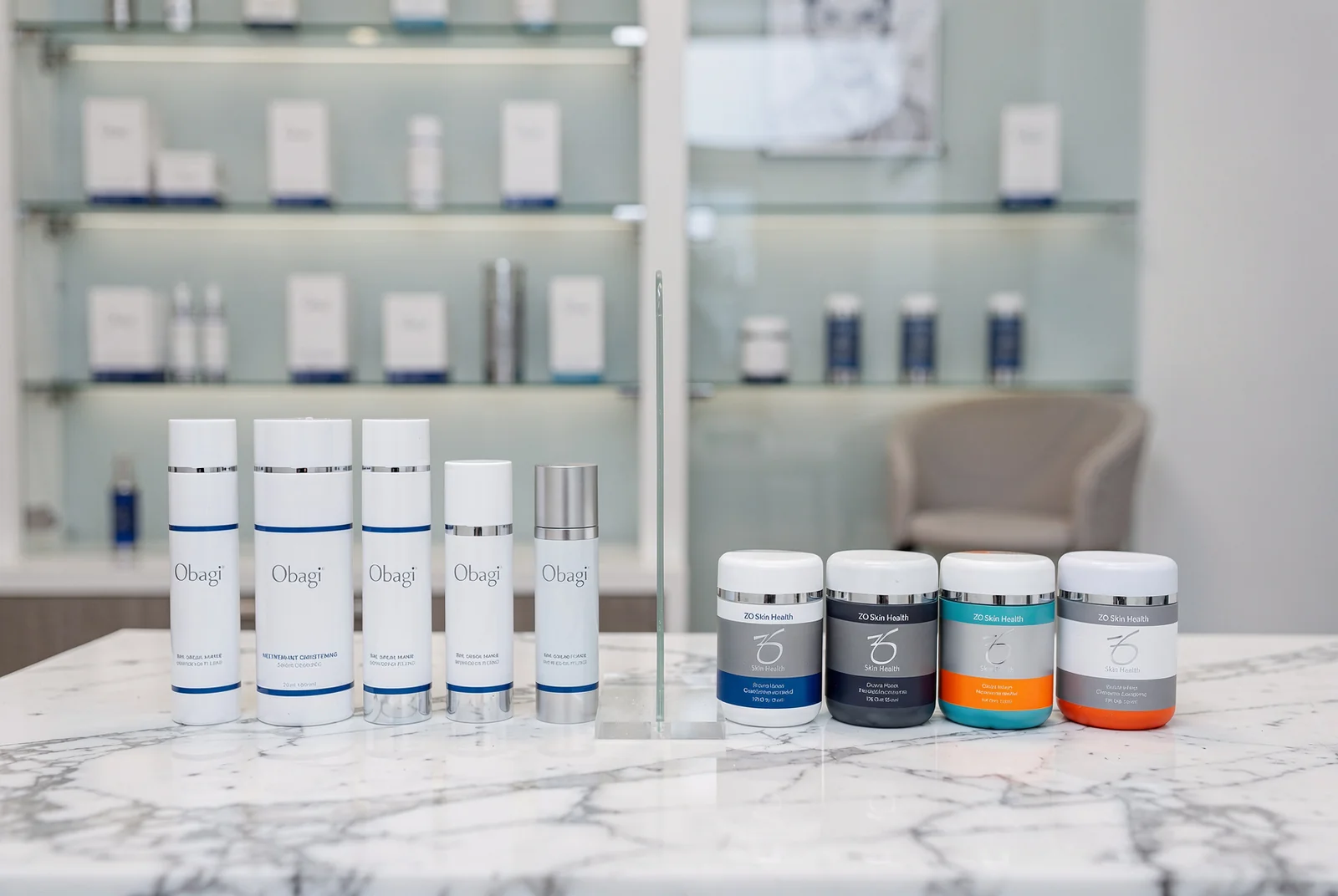
Book Intro CallDeciding between Obagi and ZO for your med spa really comes down to which fits your clinic best. Both brands have strong reputations, but you want the one your patients connect with, your staff feels confident selling, and that matches your business style. That decision shapes your retail revenue, clinic workflow, training, and how patients see your brand.
Let's jump into how Obagi and ZO compare from an operations view. You’ll see how each fits your retail game plan, which patients respond to each, what it takes to run them, and how to figure out if one or both belong on your shelf.
Obagi vs ZO: The Core Difference for Med Spa Retail
Obagi Medical’s been around since 1988 and has big-name recognition, especially for pigmentation, photoaging, and corrective skincare. Patients who've Googled medical-grade skincare know this brand. You'll find its clinically-tested, physician-dispensed systems are proven and trusty, especially for hyperpigmentation and sun damage cases.
ZO Skin Health is newer. Dr. Obagi started it in 2007 after leaving Obagi Medical, bringing his methods, protocols, and bold approach straight into ZO. ZO’s all about aggressive skin health, not just fixing problems but making healthy skin from the ground up. It’s very protocol-heavy and expects both patients and providers to commit.
Both fall under physician-dispensed cosmeceuticals, a space that's growing fast. The main question isn’t which is "better." It’s which works for your patient visits, your treatment mix, and your team’s ability to sell and support.
How Obagi Fits Into a Med Spa Retail Strategy
Obagi stands out for its strong reputation. If your patients are new to medical-grade skincare, they probably trust it. That makes their first purchase much easier.
It targets lots of concerns, like:
- Hyperpigmentation
- Melasma
- Sun damage
- Acne
- Fine lines
- General anti-aging
The Nu-Derm Rx System combines prescription hydroquinone and tretinoin for potent pigmentation work, but there's also the Nu-Derm Fx line if your patients want hydroquinone-free options.
Obagi meshes well with procedures. You can use Nu-Derm to prep skin for lasers, peels, or injectables, plus help with post-procedure recovery.
Best-Fit Patients for Obagi
Obagi fits people who have pigmentation issues, sun damage, or want a reliable, established brand. It's great for patients stepping up from drugstore products. They trust it, and onboarding is simple. It's also ideal for anyone who needs maintenance after in-office corrective treatments or prefers a familiar routine without lots to learn.
Challenges With Obagi
Name recognition's just the start. Patients need clear education on why they should choose medical-grade products over drugstore options. Prescription protocols in Obagi require full compliance and staff who know how to guide patients step by step.
Staff training isn’t "set and forget." You'll need ongoing education so every provider can handle questions and objections, not just hand out products at checkout.
How ZO Fits Into a Med Spa Retail Strategy
ZO Skin Health is about step-by-step regimens built around science. ZO products work best when providers build out full routines, using ZO as a true extension of the treatment plan, not just a retail add-on.
The Getting Skin Ready (GSR) system is ZO's three-step base routine. From there, you layer in products for anti-aging, pigmentation, acne, or maintaining results. ZO works especially well in clinics where consults drive sales, and you want retail to act like part of clinical care.
ZO works with resurfacing, lasers, chemical peels, microneedling, and injectables before and after treatment. If your clinic has a strong consult process and likes regimens, ZO might be your best fit.
Best-Fit Patients for ZO
ZO clicks with patients who are already into skincare, want big results, and aren’t scared of active ingredients or complex protocols. People prepping for or bouncing back from procedures are the ideal match.
If your patients like seeing change and will stick to a multi-step routine, they're ZO material. It's not for the casual skincare user.
Challenges With ZO
ZO demands more from your team. Staff must know each step, set clear expectations, and walk patients through transition phases. Selling ZO isn’t just a pitch; it’s a consult.
If patients start a ZO plan but drop out early, it's frustrating for them and reflects back on your clinic. You need your team totally aligned in how they talk about ZO, or you risk patient drop-off and poor outcomes.
Compare the Two Based on Your Patient Base
Start by looking at your patients. Do you treat a lot of pigmentation or post-laser clients, or are most people coming in for aggressive skin quality improvement? If most patients are new to medical skincare, Obagi is easier to sell. If your clients love in-depth consults and want transformation, ZO stands out.
No brand is the "one-size-fits-all." Your focus might be pigmentation, or you might run a full-face rejuvenation practice. Pick primarily based on who you serve.
Questions to Ask Before Choosing a Line
- What are your most common skin concerns?
- How much time do you spend on skincare consultations?
- Who actually recommends skincare? Injectors, aestheticians, or the front desk?
- Do your patients want simple routines, or do they like multi-step regimens?
- How much shelf space and inventory cash flow do you want to allocate?
- How do you track inventory and sales right now?
These business questions matter just as much as clinical fit.
Don't Just Stock Products: Prioritize Training, Protocols, and Compliance
Retail success doesn't just come from a known brand. Your team must understand why they’re recommending a product and tie it to the patient’s care plan or goals.
Both Obagi and ZO need real staff training. Every provider should know product uses, not just names. The biggest clinical wins for both happen in pre- and post-treatment protocols. That’s also when retail conversations feel natural and educational. Patients want a plan tied to the outcomes they care about.
Patients follow regimens when they see how it helps their results, like maintaining laser improvements, prepping for a peel, or boosting skin before filler appointments.
Retail Scripting Matters
Teach your staff to educate, not sell. The conversation should sound like, “This is what we recommend to maintain your laser results and keep your skin in top shape.”
That puts the focus on patient outcomes. Note recommendations in the chart for easy follow-up at their next visit.
Follow-Up Drives Reorders
Most skincare sales come from patients buying again. If you don’t follow up, they’ll buy elsewhere. Winning clinics put systems in place:
- CRM follow-ups
- Reorder reminders
- Staff check-ins at every appointment
If your clinic doesn’t have a good process, even the best product lineup won't move.
Should Your Clinic Go With One Brand or Both?
Keeping one line keeps things simple. You'll spend less time training, stick to consistent messaging, make inventory easy, and help staff become product pros. For smaller or newer clinics, a single, focused line usually outperforms a cluttered shelf.
Some clinics benefit from both if their patient mix is broad and their team can support it without confusion. But if you try to do too much, you get dead stock, mixed messages, and staff who can’t confidently recommend anything. Don’t let your shelves overflow just because you can.
When One Brand Works Best
If you’re just starting out, have a lean team, or want to target a specific niche, start with one brand. Choose the one your patients need most. A small but tight retail area brings in more sales than an overloaded shelf.
When Both Brands Might Make Sense
Larger clinics with experienced providers, a broad menu, and strong consults can support two brands. If you have new skincare buyers and advanced patients who want serious protocols, carrying both lets you cover both bases. Just be sure you have the training, inventory control, and clear decision processes before bringing in the second line.
Margins, Inventory, and Cash Flow: The Business Side
Skincare retail boosts your margins if you manage it well. Margins typically run 40% to 60%, so you can bring in real revenue. But watch stock management. If you overstock $2,000 of skincare and 30% expires, that’s $600 down the drain.
- Track your cost of goods
- Monitor shelf turnover
- Reorder based on real numbers, not hunches
- Regularly review what's moving and cut what stalls
Too much stock eats up cash. Too little means lost sales and patients buying elsewhere.
Build a Focused Starter Set
Think of categories, not individual SKUs. You want a tight, clear offering:
- Cleanser
- Exfoliator
- Pigment support
- Antioxidant
- Retinoid or retinol
- Hydrator
- Barrier support
- SPF
Fit your product set to your most common treatments and concerns. Keep choices easy. Your team should know every product cold, and patients shouldn’t feel overwhelmed.
Let Your Treatment Menu Lead the Choice
Your skincare products should support your busiest treatments. If lasers, peels, and microneedling drive your business, focus on products that prep skin, support the barrier, manage pigment, and help with healing. If injectables come first, skincare should support overall skin quality so patients get the most from results.
Pick a line that makes every plan simpler and helps patients stick to it at home.
For Laser, Peel, and Microneedling Patients
These patients need pre- and post-care. You want products for pigment management, barrier repair, and supporting cell turnover. Both Obagi and ZO offer these solutions. The main thing is to build skincare right into the treatment plan, instead of mentioning it at the end.
For Injectable-First Patients
If most of your patients come in for toxins, fillers, or biostimulators, skincare still matters. Show how it supports their investment by emphasizing things like texture, glow, and longer-lasting effects. It doesn’t compete with their treatment; it boosts the results.
How to Make the Right Call for Your Clinic
Decide based on patient demand, provider style, staff bandwidth, inventory controls, and how your treatments run. Obagi’s great for big name recognition, approachable starting points, and proven pigmentation/photoaging work. ZO shines if you want a protocol-first model with patients ready for an intensive skin health routine.
If you do both, set clear rules for when to recommend each. Document your plan so staff always know which line to talk about and when.
Save More on Skincare Supplies With Portrait
Once your retail plan is set, protecting margins comes down to smart ordering. Portrait helps clinics access national-account pricing, including discounts of up to 60% on select products. There's no complicated contracts or revenue share hoops. It covers supplies for skincare, injectables, devices, wellness products, and more.
Portrait’s inventory tools are super easy. When you finish a treatment, supply numbers update for you. You’ll get a low-stock alert before you run short, so you don’t scramble last minute. That means less overbuying, less dust on your shelves, and smoother orders.
Portrait even ties into EHR, scheduling, payments, compliance, marketing, and charting. If you want a streamlined, less stressful clinic, it’s worth checking out Portrait as your clinic’s operations buddy.
Pick the Skincare Line That Matches the Clinic You’re Building
There’s no "one true answer" for the Obagi vs ZO question. Go with the line that fits your patients, your services, your consult style, and your staff’s ability to support it. Both can be clinical powerhouses and profit drivers with the right training, tight inventory control, and clear patient education.
Start by analyzing your own demand and see which products already sell in your clinic. Choose one focused line or try both, but only if you’re set up to support them. Then get your purchasing and inventory tools in place so you don’t leak profit. That’s how you turn retail skincare from just another offer into a strong revenue stream for your clinic.
Book an intro call with Portrait to see how Portrait can save you money and make inventory a breeze.
Savings vary by practice, product mix, and order volume. Figures reflect select products and are not guaranteed.
Related reading
- Med Spa Supplies: Simple Steps to Cut Clinic Spend
- AbbVie Products: Complete Guide for Aesthetic Practices
- Retinoids vs Retinol: What's the Difference?
- Hashtag Best Practices for Med Spas: Boost Your Ads and Organic Social Strategy
- How to Sell a Med Spa: Step-by-Step Guide for Owners
Save up to 60% on select products
Portrait brings marketplace purchasing and practice software together to support your daily operations. Actual savings vary by product and purchasing needs. See your supply pricing.
One Platform.
Everything You Need.
Everything You Need.
Portrait combines the technology, support, and savings to run and scale your modern medical wellness business.
Book Intro Call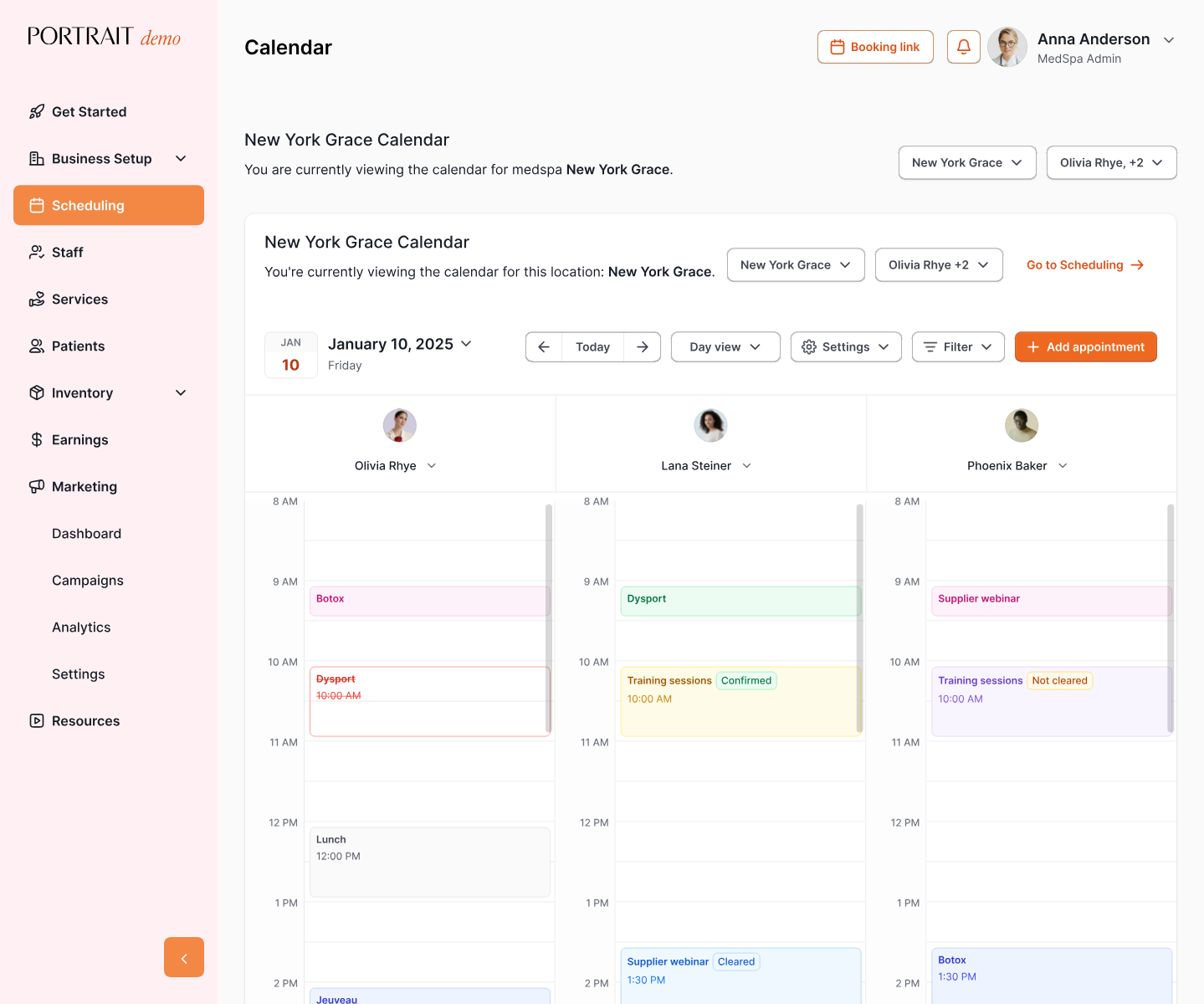

Stay Connected with Portrait Care
Subscribe to our email list and receive the latest insights, updates, and exclusive content delivered straight to your inbox.