
Empowering Professionals at Every Stage
Portrait offers strategic expertise to help you make informed decisions and achieve long-term success.
Book Intro CallIf you want safe, accurate, and compliant peptide reconstitution in your clinic, you need a step-by-step protocol and trained staff following it. Mistakes during reconstitution put your patients at risk, expose your clinic to liability, and eat into your bottom line.
You're about to walk through everything clinics need for safe reconstitution. You'll see supplies, aseptic technique, labeling, documentation, storage, staff training, and smart controls. You'll need to layer this over your product label, pharmacy instructions, prescriber orders, state law, and your medical director's guidance.
Why Clinics Need a Solid Protocol for Peptide Reconstitution
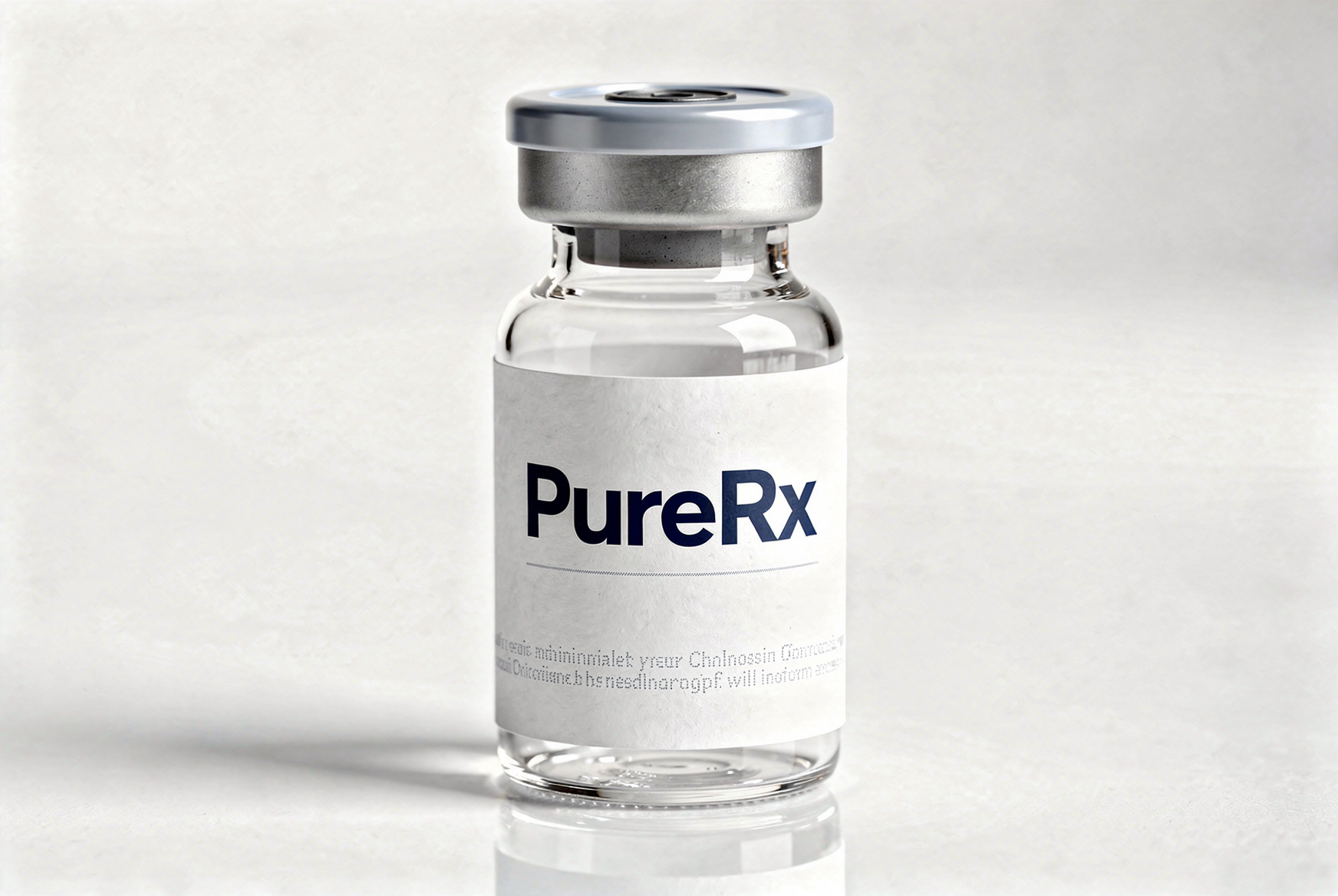
Most peptides show up lyophilized, which means they're freeze-dried powder. You can't use them until you mix in a sterile diluent. That mixing step is make-or-break for dosing and compliance.
If your team uses inconsistent technique, you get dosing errors. If their aseptic practice isn't on point, you've got a contamination risk. If they're not documenting, an audit could sink you. When you don't have a protocol, staff just make it up as they go.
As we pointed out in our Peptide Supplier Guide, peptides touch clinical care, compliance, operations, and your product costs. Mess up reconstitution, and all of those are at risk. You need your protocol written, reviewed, and signed off by your medical director before anyone opens a vial.
Reconstitution Risks in Med Spas
Most errors fall into these categories:
- Wrong diluent gets used.
- Somebody goofs the math on the volume.
- Steps get skipped because it's busy.
- Labels go missing or don't have all the info.
- Beyond-use dates are missed.
- Refrigerators run too warm.
- Staff aren't retrained on protocol.
- Products say "research use only," but get used anyway.
Every one of these can hurt a patient or leave you exposed during a compliance check.
Clinic-Safe Steps to Reconstitute Peptides
A safe reconstitution has clear parts:
- Check the order and product.
- Inspect the vial.
- Confirm diluent type and how much to use.
- Prep a sterile area.
- Use aseptic technique.
- Mix gently.
- Label the vial right away.
- Document everything.
- Store it correctly.
Your doses, concentrations, and dates need to match what your provider, pharmacy, or manufacturer says. This isn't a substitute for those details, it's the structure to keep the process safe.
Always Confirm the Product Before Mixing
Don't open a vial until you match the patient-specific order or standing clinic protocol. Double-check:
- Peptide name
- Strength
- Lot number
- Expiration date
- Pharmacy or manufacturer source
- Intended route
- Storage needs
If it doesn't match, stop. Never use products labeled "for research use only" in patient care. Some RUO peptides contain dangerous contaminants, like heavy metals, well above safe limits. It's not worth the risk.
Pick the Right Diluent and Get the Volume Right
You can't just use any diluent. Bacteriostatic water is standard for most clinical peptides and lets you use a vial for up to 28 days if you keep it in the fridge. Sterile water doesn't have preservatives, so treat it as single-use.
Some peptides dissolve only in acetic acid water. Read the product instructions and your protocol. Only use standardized diluent for all peptides if your protocol specifically allows it. Qualified staff need to double-check all calculations before you reconstitute.
Get Your Workspace and Supplies Ready
Prep the peptide in a clean med area, not a treatment room or anywhere near food, sinks, or high-traffic space. Get everything before you start:
- Alcohol prep pads
- Sterile syringes and needles
- Sharps container
- Labels
- The right diluent
- The peptide vial
- Your documentation system
Always start with hand hygiene. Put gloves on if your protocol requires it. Don't let anyone or anything interrupt you during prep because errors can happen fast.
Use Aseptic Technique Start to Finish
Wipe the vial stopper with an alcohol swab. Let it dry a full 15-30 seconds. Alcohol in your solution isn't good for the product. Use new, sterile syringes and needles each time.
Don't touch the sterile connection points. Limit vial punctures. Never reuse syringes or needles. Always follow OSHA, CDC, USP, your pharmacy, and your state's guidance.
Mix Carefully to Avoid Damaging the Product
Add the diluent by aiming at the glass wall, not the powder. Go slow, about 10-20 seconds. Gently swirl or roll the vial until it's dissolved. Don't shake or use a vortex mixer.
If you do, you risk damaging the peptide bonds and lowering bioactivity. Once mixed, check that the solution is clear, with no particles. If it's cloudy, discolored, or abnormal, discard it properly.
Labeling, Documentation, and Accountability
Don't treat documentation as just paperwork. Your records prove your process is safe, protect patients, and defend your clinic if you're audited. Label every vial before it leaves the prep area and document every step right away.
What to Put on Every Label
- Medication or peptide name
- Final concentration
- Date and time prepared
- Beyond-use date
- Storage requirement
- Lot number
- Initials of preparer (and verifier, if required)
Your clinic's standards should match your protocol and regulatory guidance. Like we share in our BPC-157 sourcing guide, add the reconstitution date to every vial and throw out any leftovers after four weeks.
When a Second Check Makes Sense
You should build in a second qualified staff check for:
- Concentration calculations
- New staff onboarding
- New peptide products
- Busy clinic days
- Anything not routine
This doesn't have to be red tape. A quick check before you label the vial catches errors and takes just seconds.
Storage, Beyond-Use Dating, and Inventory Control
Put reconstituted peptides in the fridge between 2 and 8°C within 30 minutes of mixing. Never freeze them. Freezing and thawing breaks down the peptide. Protect anything light-sensitive from exposure.
Use a thermometer to check your fridge because a lot of them run warmer than clinics realize. Keep expired or quarantined vials in a separate, clearly marked spot. Always discard anything that's past its beyond-use date—even if it looks fine.
Lyophilized peptides last 2 to 5 years in a -20°C freezer. After you reconstitute with bacteriostatic water, the safe window is 28 days, kept cold. That 28 days starts the second you mix.
Clinics with good inventory systems throw out less expired stock and waste less money. That's big when you're paying for pharmacy-grade supplies.
Flag Vials You Shouldn't Use
If a vial's label isn't clear, the prep date's missing, it looks abnormal, the fridge went out of range, the stopper's damaged, or you don't have documentation, quarantine it and tell your medical director or pharmacy.
Don't take chances. It's way cheaper to discard a questionable vial than to risk a patient or get dinged in an inspection.
Staff Training: Make Protocol Second Nature
If your protocol just sits in a binder, it won't protect you. Training needs to involve hands-on steps, documentation, and repetition.
When you onboard new staff, watch them prep peptide at least once. Recheck all staff yearly. USP <797> says competency tests on aseptic technique should happen every six months for compounders. Even if you're not a compounding pharmacy, you might want to use that schedule.
Build an SOP Your Team Can Actually Follow
Write the SOP so it's simple and clear. Include:
- Step-by-step responsibilities
- What supplies you need
- When to do a verification check
- Storage and labeling rules
- Documenting each batch
- What to do if something goes wrong
- Who's in charge of protocol updates
Put the SOP where your team needs it. Keep it in the med prep area and save it in your clinic's software hub. If it's too long or uses too much jargon, people will skip steps.
Audit the Process Before Issues Pop Up
Audit labels, logs, inventory counts, expired products, fridge records, and staff compliance. This catches problems early. Use audits to improve training and the process. Don't make it a blame game.
Compliance: Staying on the Right Side of the Law
Running a peptide program means you need medical oversight, patient evaluation, informed consent, ironclad documentation, legal prescribing, and pharmacy sourcing you can prove. State laws are different everywhere.
Get your medical director, attorney, and pharmacy on board with your process. Like we share in the Peptide Supplier Guide, the FDA sent more than 50 warning letters in 2024 and 2025. Ohio's board shut down 30+ med spas in 2025, all over peptides or bad workflows. This can happen to any clinic.
Don't Use Research-Use-Only Peptides in Care
Anything marked "for research use only" isn't made to pharmacy-grade standards. They're not tested or labeled for safety, purity, or dosing. Regulators look for this.
Always source through licensed compounding pharmacies or legit medical platforms. Keep your receipts. If a vendor can't give you an FDA Registration Number, GMP Certificate, or PCAB accreditation, find another source.
Work With Your Medical Director Every Step
Your medical director should approve every protocol, review orders, set up processes for adverse events, decide on contraindications, and figure out patient education needs. They can't be passive. Most states require a medical director, and their oversight should show up in your documentation at every step.
How Bad Workflows Drag Down Your Margins
If your reconstitution workflow isn't tight, you're losing money. Vials with missing info get tossed. Expired stock gets tossed. Ordering too much ties up cash. Running out of stock wrecks your schedule.
Duplicate orders happen when you don't know what's in stock. Staff waste time looking for supplies instead of treating patients. Med spas often lose up to 15% on inventory alone. That's a lot when profits are tight.
Small Waste Adds Up Fast
If your clinic throws out just a few vials a month because someone missed a date or label, those costs pile up. Each lost vial is money, staff time, and a patient who didn't get treated. Multiply that across a year and you see the hit. If you're missing documentation, the compliance risk also grows. Compare the cost of good protocol (it's tiny next to what you could lose.)
How to Save on Supplies and Get Your Workflow in Order
Portrait helps med spa owners access national supplier pricing, saving you up to 60% on peptides, injectables, GLP-1s, HRT, skincare, and more. But it's not just the savings. Portrait's inventory tools connect to your EHR, so when you treat patients, your stock counts update automatically.
You'll get reorder alerts before you run out, so no last-minute panic or wasted stock. It's easy to order, track your spending, and set reminders so your team stays organized. The Rewards Program is easy too: half your discount comes off your bill immediately, while half piles up as rebate points for the future.
If your workflow's messy or you're spending too much time tracking supplies, now's the best time to get organized. Check out how Portrait can help your clinic save money and work smarter.
Make Peptide Reconstitution Easy and Safe
Knowing the correct procedure for reconstituting peptides is only part of the answer. You've got to build a system where staff always follow it, every time. That means written protocols, hands-on training, reliable documentation, good storage, and inventory control that stops waste before it starts.
These workflows keep your patients safe, slash compliance risks, and make it easier for your team to scale. Portrait's here to help simplify your supply chain, track your inventory, and make documentation easy. If you're ready to run a tighter, safer operation, start with Portrait.
One Platform.
Everything You Need.
Everything You Need.
Portrait combines the technology, support, and savings to run and scale your modern medical wellness business.
Book Intro Call

Stay Connected with Portrait Care
Subscribe to our email list and receive the latest insights, updates, and exclusive content delivered straight to your inbox.