Empowering Professionals at Every Stage
Portrait offers strategic expertise to help you make informed decisions and achieve long-term success.
Book Intro CallTo launch a profitable med spa, you must budget for compliance, inventory, software, payroll, and marketing before a single patient walks through your doors. Founders often focus on treatment rooms and devices, but operational categories actually cause the cash flow headaches.
If you don't nail these startup costs at the beginning, you risk your margins and your clinic's success. Here is the full picture of the true costs you face and what you need to plan for before opening day.
What Med Spa Start Up Costs Include
Opening a med spa requires upfront capital. Most med spas spend $250,000 to over $1 million to launch. This range exists for a good reason.
Your investment depends on your state, clinical service mix, lease provisions, and staffing requirements. Startup costs also fluctuate based on whether you build a new clinic or integrate aesthetic procedures into an existing medical practice.
You must budget for the following categories:
- Legal, licensing, and compliance
- Facility lease and buildout
- Equipment and devices
- Technology and software
- Product inventory and supplies
- Staffing and training
- Marketing and patient acquisition
- Insurance and working capital
You will feel the financial impact in your first 90 days if you miss these operational expenses.
Legal, Licensing, and Compliance Expenses
Many clinic founders calculate this phase incorrectly. You pay $5,000 to $15,000 for business entity formation and legal review.
States charge different licensing fees, but you generally spend $500 to $5,000 upfront. You also pay for HIPAA compliance setups, consent forms, charting protocols, and ongoing legal support. This spending happens before you treat a patient.
You pay more when you skip compliance. HIPAA violations cost clinics $2 million per year. State medical boards will shut your practice down if you miss a licensing rule. You should hire a healthcare attorney instead of a generic business lawyer to avoid standard legal traps.
Medical Oversight and Delegation Structure
You must hire a compliant medical director. Medical directors charge between $1,500 and $5,000 each month. You spend $18,000 to $60,000 per year on this requirement. It's a recurring cost that affects your monthly cash flow.
Your clinical delegation protocols, standing orders, and scope-of-practice parameters for every provider must adhere to your state medical board standards. Whether you hire NPs, PAs, RNs, or physicians, you can't just rent a doctor's signature for your paperwork.
You must build a medical oversight relationship. States like Georgia, California, and New York monitor corporate practice of medicine structures and demand strict compliance.
Facility and Buildout Costs
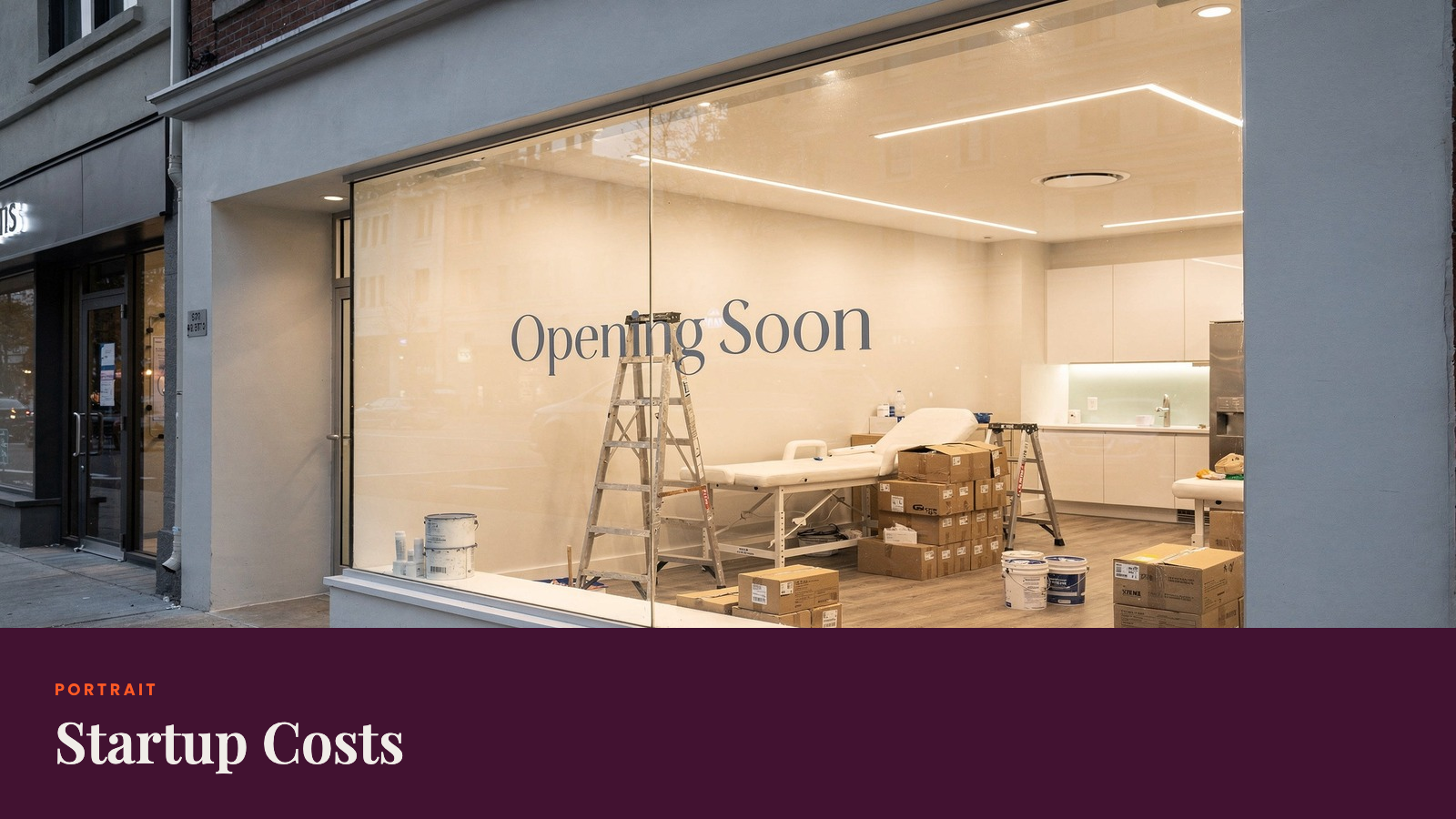
Your clinic space consumes most of your early budget. Lease deposits, rent payments, plumbing upgrades, electrical panels, HVAC systems, ADA compliance, exterior signage, and aesthetic decor use your working capital quickly.
You spend between $50,000 and $150,000 on a buildout for a space depending on your city location.
You should design a good patient experience, but don't overdo the aesthetic luxury before you know what your local market wants to buy. A clean, functional, well-lit clinical room does the job perfectly.
Ways to Save on Your Space
- Pick the right square footage. Two or three medical treatment rooms give you space to get your core services performing well.
- Negotiate a tenant improvement allowance with your landlord. National averages sit at $50 to $150 per square foot. You secure better leverage when you sign a longer lease.
- Keep your room layouts flexible because your medical services evolve.
- Focus on treatment room utility and skip lobby upgrades.
Equipment, Devices, and Treatment Room Setup
You must buy treatment chairs, task lighting, injectable refrigerators, sharps containers, emergency crash carts, medical sterilization tools, and clinical photography setups on day one. Specialty energy devices represent a riskier financial play.
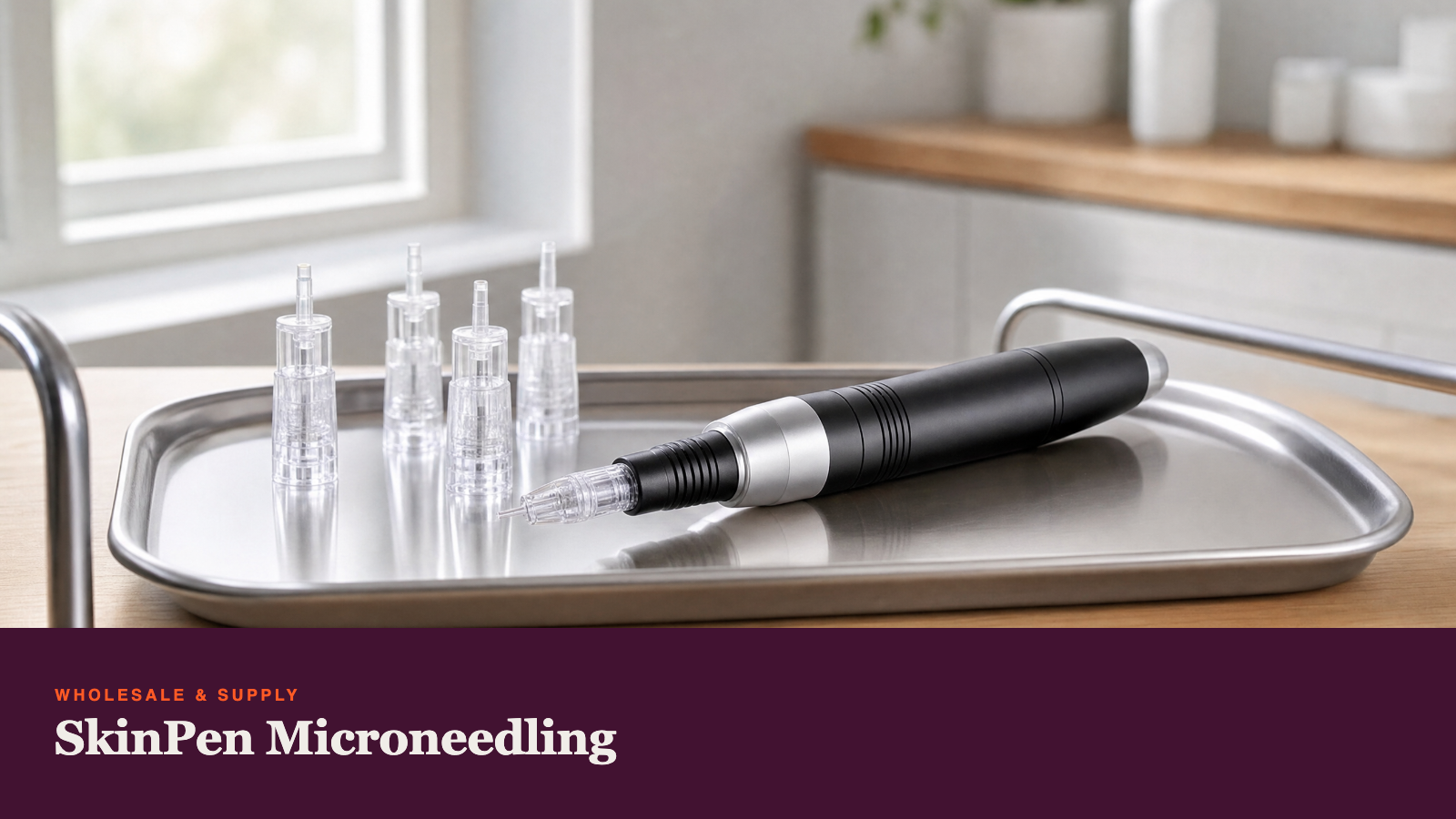
You spend $50,000 to $200,000 on a laser hair removal system. You pay $90,000 to $130,000 for RF microneedling platforms. You make capital bets with these machines, so you shouldn't buy them just because they look good on a website.
You keep your upfront costs lower when you focus on botulinum neurotoxins and dermal fillers during your launch phase. You must evaluate your local market demand before you sign contracts for medical capital equipment.
Buy, Lease, or Phase in Equipment
- You drop your initial device costs by 50 to 70% when you use leasing structures. The extra cash protects your clinical payroll, marketing campaigns, and daily business operations.
- Start with high-demand aesthetic procedures. You plug new laser machines into your space as your patient volume grows.
- You waste capital if a device collects dust. You must build a clinical utilization plan and a pricing strategy before you buy hardware.
Product Inventory and Supply Costs
You destroy your cash flow when you mismanage clinical inventory. You must stock botulinum neurotoxins, HA dermal fillers, biostimulators, medical-grade skincare, clinical consumables, hypodermic syringes, needles, PPE, topical anesthetics, and IV/IM supplies prior to opening.
Your initial inventory costs $10,000 to $25,000. You spend an additional $3,000 to $7,000 every month replacing your depleted stock.
You must ensure your cost of goods sold stays between 30% and 40% of sales. You hurt your daily profit margins if you let this percentage increase.
Common Inventory Mistakes That Hurt Cash Flow
- You ruin medical product and lose money when you over-order slow-moving SKUs.
- You turn away revenue when you run out of fast-moving injectables.
- You hurt your margins when you fail to track pharmaceutical lot numbers, expiration dates, or your cost per treatment.
- You create an administrative headache when you buy from scattered reps. You must establish software reorder points so you aren't guessing your stock volumes.
Software, EHR, Payments, and Operational Tools
Your software tech stack dictates how your business runs. You need an EHR for medical charting, digital booking flows, online checkouts, a CRM for patient leads, inventory tracking, and SMS texting tools.
A medical record app runs $1,200 per user per year. You pay $20,000 to $65,000 to implement a tech platform across a clinic.
Don't skimp on this category. You guarantee HIPAA compliance failures and frustrate staff members if you force your team to use spreadsheets and paper charts.
How to Avoid a Patchwork Tech Stack
- Your team members get frustrated and scramble data when you string apps together for calendar scheduling, charting, taking payments, sending texts, and logging supplies.
- You can't calculate your cost of goods or run automated patient follow-ups when your business systems stay disconnected.
- You should select an all-in-one platform that handles your calendar scheduling, payment gateways, stock levels, compliance needs, and patient communications. You pay less money for one business suite than you pay for a stack of mismatched tools.
Staffing, Training, and Payroll Planning
Employee payroll represents your largest monthly cash drain. You pay $8,000 to $15,000 in payroll every month to start a med spa featuring four to six staff members.
You add 10 to 15% on top for payroll taxes and employee benefits. Staffing becomes an ongoing line item when you calculate provider base pay, clinical onboarding processes, continuing medical education, and sales training.
You need to stash three to six months of payroll inside your startup budget. You write these labor checks before your digital marketing efforts deliver patient flow.
Start Lean without Sacrificing Patient Experience
- Cross-train your staff from the beginning. You can teach front desk receptionists to handle administrative tasks and field patient inquiries.
- Automate your appointment text reminders and post-treatment clinical follow-ups. You leverage online booking systems to slash the volume of inbound phone calls.
- Define daily job roles so your clinical staff don't waste time doing data entry tasks that software safely handles. Hire additional team members when your treatment schedules fill up.
Branding, Website, and Patient Acquisition Costs
You might build a clinic space, but patients don't walk through the door on their own. Digital channels account for 70% of bookings.
You must launch your website, execute local SEO strategies, and populate aesthetic social channels before your opening day. Successful clinics spend 15 to 20% of their expected annual revenue on online marketing during the first year of operations.
Paid ads to acquire your first 100 aesthetics patients cost $150 to $500 each.
Marketing Expenses to Prioritize First
- Build a fast, conversion-heavy website. Post before-and-after clinical outcome photos where state laws permit them.
- Claim and manage your Google Business Profile. Organic reviews and localized search signals bring you patients faster and cheaper than paid ads.
- Launch with marketing basics and test paid ad campaigns. Track your return on investment so you stop wasting budget on ads that don't generate checkouts.
Insurance, Financing, and Working Capital
You must carry business insurance, yet clinic owners overlook these premiums. Medical malpractice policies for two to four clinical staff members cost $2,000 to $3,500 per year.
You should expect premiums to jump to $4,000 to $7,500 for facilities executing laser therapies and intravenous infusions. You pay $200 to $800 every month once you bundle general liability, commercial property, cyber liability, and workers' compensation policies.
You finance the launch by self-funding through personal savings, closing bank or SBA loans, drawing on credit lines, or leasing your medical equipment. You must hold back enough cash so you fund the operating launch phase instead of just covering the construction phase.
Why Cash Flow Matters More than the Launch-Day Budget
Your med spa can look good on opening day and fail if you lack the cash to restock injectables, pay your medical providers, float marketing ads, or survive slow seasonal booking weeks.
You cross your gross-margin break-even threshold around month 10 to 14. You achieve cumulative breakeven over two to three years.
You must build a cash reserve and monitor your net margins by individual service. Don't confuse revenue with net profit.
Smart Ways to Reduce Startup Costs without Cutting Clinical Corners
You shouldn't focus on buying cheap products. You need to spend capital smartly, not quickly.
Push your high-demand medical procedures first and layer in advanced modalities as your patient base scales up. Pinpoint the most efficient real estate footprint for your medical team.
Use all-in-one software platforms rather than gluing software apps together. You negotiate pharmaceutical supplier pricing rules. You deploy software to automate repetitive patient follow-up protocols. You put your working capital into verified marketing channels that display ROI tracking.
Spend Where It Protects Safety, Compliance, and Revenue
- Invest resources into clinical safety training, medical director oversight, EHR tracking systems, FDA-approved products, insurance coverage policies, and the patient experience.
- Save cash by planning phased physical buildouts, edited aesthetic service menus, a lean staffing roster, and consolidating purchase orders into a few vendors.
- Protect the clinical elements you can't cut. You never risk regulatory compliance or patient safety margins. You deploy financial systems across clinic operations.
How Portrait Helps Med Spas Save on Supplies and Operations
Your supply costs hit your monthly bottom line, but you exercise command over this spending category. Portrait gives med spas and wellness clinics access to deal pricing and discounts across injectables, energy devices, GLP-1 weight loss agonists, clinical peptides, hormone replacement therapy, IV/IM nutrients, and medical-grade skincare protocols.
You lower prices, and Portrait clinics save up to 60% on select products. You retain ownership of your margins because Portrait demands zero revenue sharing and excludes contract lock-ins.
Portrait's tech platform runs your inventory cycle, automated patient reminders, and spend tracking. You track where every operations dollar goes inside your clinic. Your pharmaceutical stock updates the moment you log a finished treatment.
You receive low-stock mobile alerts so you order correctly before running out of core supplies. Most clinics save 15 to 20% on inventory by tracking better. Portrait's digital system streamlines this process.
The software bundles your EHR, online booking integrations, payment processing, compliance monitoring logs, and marketing outreach inside one application. This setup guarantees you don't pay five software vendors just to stay open. The core software platform costs nothing at the start, and it hits $99 per location per month once you sign up 50 returning patients.
Launch with a Budget That Supports Growth
An optimized launch budget secures regulatory legal compliance, physical premises, connected tech architecture, compliant clinical inventory suites, trained staff, digital marketing tools, and cash reserves.
A sound launch budget does more than just open your front doors. It fortifies your profit margins and creates financial runway so you manage operations during those early quarters while you capture your local patient market.
You compress your launch costs when you select industry partners, execute supply purchases, and deploy connected operational tracking from day one.
Portrait puts your software, compliance, marketing, and supply savings in one place so you stand ready to launch a new enterprise or streamline daily operations inside a clinical location. You maximize profit margins when you wire your core systems together.
Try Portrait for free today to see how it can save your clinic money, especially in the early days.
Savings vary by practice, product mix, and order volume. Figures reflect select products and are not guaranteed.
Related reading
One Platform.
Everything You Need.
Everything You Need.
Portrait combines the technology, support, and savings to run and scale your modern medical wellness business.
Book Intro Call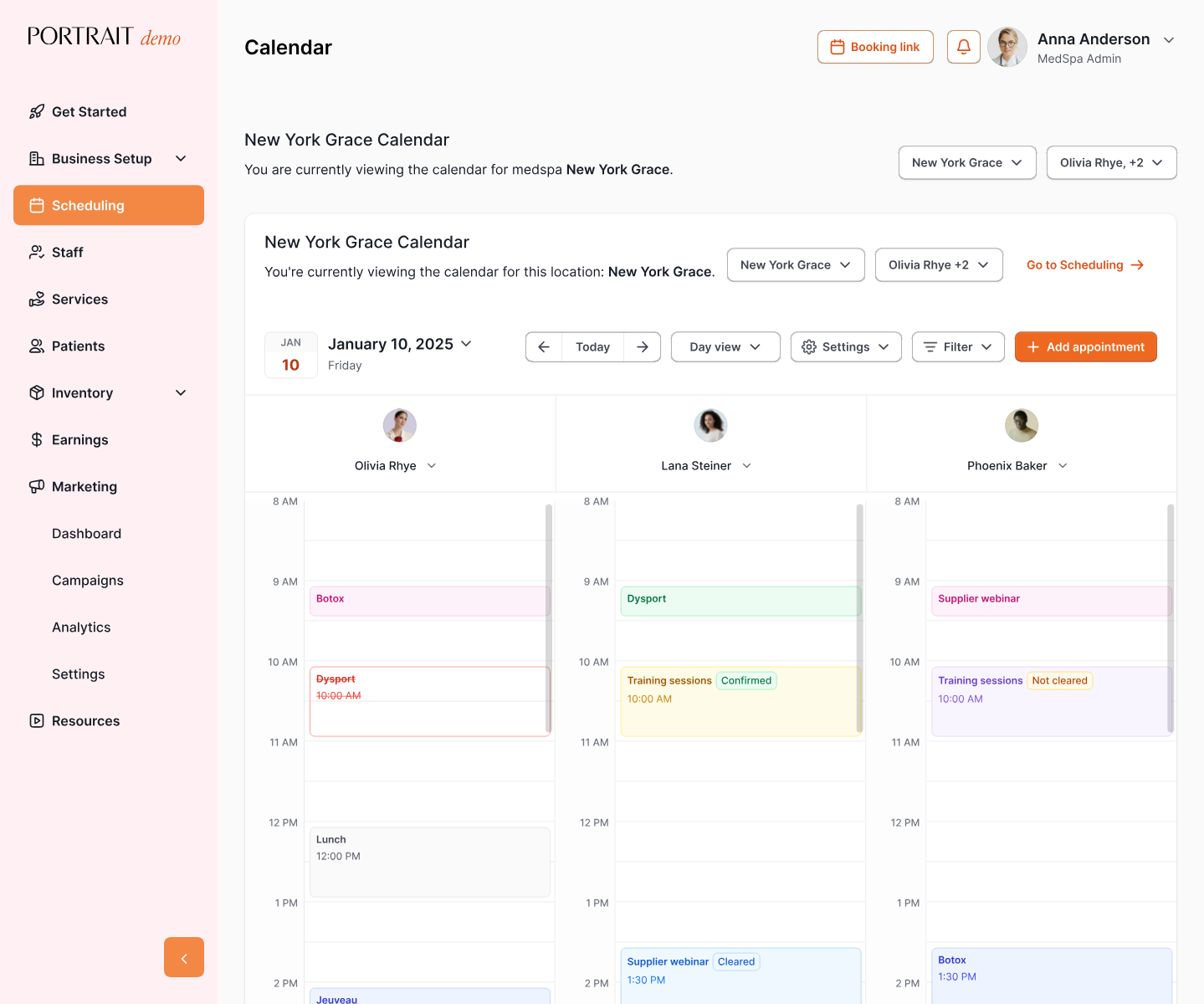


Stay Connected with Portrait Care
Subscribe to our email list and receive the latest insights, updates, and exclusive content delivered straight to your inbox.