Empowering Professionals at Every Stage
Portrait offers strategic expertise to help you make informed decisions and achieve long-term success.
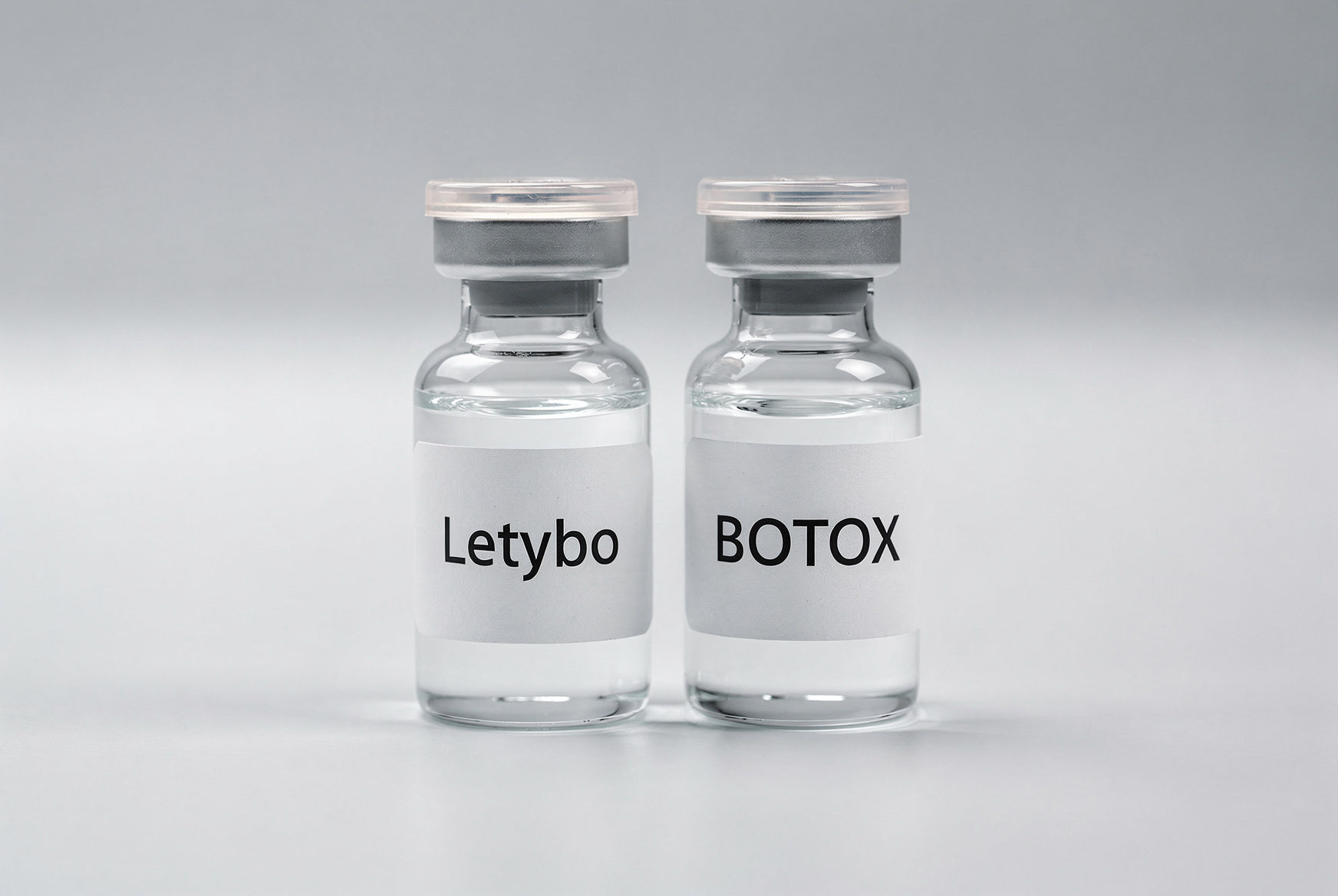
Book Intro CallIf you're trying to decide between Letybo and Botox for your med spa, you need to know how each one stacks up on performance, patient experience, and what it'll cost you. Both work really well for smoothing wrinkles, but they’re a bit different on pricing, onset, brand power, and what they mean for your day-to-day in the clinic. Let’s walk through the details so you can pick the best fit for your business and your patients, right from the start.
The neurotoxin market’s busier than ever, with new options like Letybo gaining traction. If you’re looking at Letybo vs Botox, you want easy answers about how they compare. Here’s what truly matters.
What Are Neurotoxin Injectables?
Neurotoxin injectables use botulinum toxin type A. They stop nerves from signaling certain facial muscles, which keeps those muscles from contracting. That’s what smooths out wrinkles. Every product in this space, including Botox, Letybo, and others, work this way.
Neurotoxin injections are at the heart of aesthetic medicine. They’re reliable, results are predictable, and they bring in lots of return visits. Most patients come back every three or four months, so neurotoxins help med spas keep steady revenue rolling in.
Market research says about 28% of med spa revenue comes from neurotoxin injectables. The whole botulinum toxin market could hit $20.94 billion by 2031, so this category isn’t slowing down.
Letybo vs Botox: Key Mechanism and Main Differences
Both Letybo and Botox work the same way at the muscle cell. They block acetylcholine from releasing at the neuromuscular junction to trigger muscle relaxation and reduce wrinkles. Both use botulinum toxin type A, so injection techniques, workflow, and what patients feel are pretty much the same.
But they’re different in a few important ways:
- Formulation and Purity: Letybo’s a lower-protein, purer product. Botox uses accessory proteins.
- Market History: Botox has more than 20 years as the big name in this field. Most patients know Botox right off the bat.
- Letybo only got FDA clearance for moderate-to-severe glabellar lines in February 2024 but has been popular for years in South Korea and many other countries.
- Letybo’s used worldwide, with 31 million+ procedures before hitting the US market.
What Areas Do Letybo and Botox Both Treat?
Both cover the same treatment zones in practice. Letybo’s FDA-approved just for glabellar lines in the US, while Botox is approved for glabellar lines, forehead lines, and crow’s feet. But you’ll see injectors using either product for:
- Forehead lines
- Frown lines
- Crow’s feet
- Brow lifts
- Lip flips
- Jawline slimming
The dosing for glabellar lines is the same for both: 20 units, split across five points. When you switch from Botox to Dysport you usually need to convert the dosing units, but you don’t need to recalculate with Letybo. A unit of Letybo is given the same way as a unit of Botox, so injectors won’t need to learn a new system.
What’s Different About Letybo’s Formula and Onset?
Letybo’s a high-purity option with lower proteins. Botox brings extra accessory proteins. If a patient’s been getting Botox a long time and sees weaker results, some providers suggest switching to a purer product like Letybo in case of developing antibodies.
Letybo kicks in a little faster. You’ll see early effects in two or three days, with full results in a week or so. Botox takes about three to five days to start working, with peak effect at about two weeks.
If your patient needs results fast, like for an upcoming event, Letybo’s speed can make a difference. Both last three to four months for most people, sometimes up to six months.
You’ll store both between 2°C and 8°C and reconstitute with preservative-free saline. Reconstituted Letybo is good for 24 hours at room temperature or you can store it at 4°C for up to six weeks. These workflows line up closely with Botox, so adding Letybo won’t require big operational changes for your team.
What About Cost?
Letybo generally costs less than Botox, which gives you more options for pricing. But your real focus should be on your margins, not just what you pay to buy it.
- Neurotoxin margins are usually in the 50% to 70% range if your pricing is set up right.
- Your cost of goods should be about 30% to 40% of injectable sales if you want to keep those margins solid.
- This margin holds for both Botox and Letybo. What changes is how you get to that number.
Botox has strong brand awareness, so you can often charge a premium. Patients walk in asking for it. Letybo’s new in the US and doesn’t have that brand power, but the lower upfront cost can boost your per-treatment margin if you’re doing a lot of glabellar line cases.
If you carry both, you can offer a branded choice for patients who only want Botox, as well as a solid, cost-effective choice for people open to trying something new or who watch the price more closely.
How Do Patients Actually Respond?
Letybo’s FDA approval comes from three big clinical studies (BLESS I, II, III) with 1,271 patients total. Outcomes were strong: between 47% and 65% of Letybo patients showed improvement versus almost none on placebo.
In a phase 3 trial, 82.1% of patients saw real improvement with Letybo for glabellar lines. Experts called it non-inferior to Botox, so it works just as well according to the data.
Dr. Sue Ellen Cox, who worked on the Letybo trials, put it simply: "It's going to work just as well as Botox, but we're not going to see a big difference when it comes to patients being able to distinguish it from the other neuromodulators." So you can trust the results will be similar.
In practice, patients like Letybo for its faster effect and, sometimes, for saving a little money. Botox keeps its loyal fans because it’s familiar and has a reliable, proven record over two decades.
How Do You Match the Right Neurotoxin to Each Patient?
Most healthy adults are good candidates for either product. Here are the main points to consider when making your pick:
- Muscle strength: Both brands need more units for stronger facial muscles.
- Treatment area: Botox is FDA-approved for more facial zones in the US. Letybo’s only cleared for glabellar lines so far, but doctors often use it just like other neurotoxins off-label.
- How fast you want results: Letybo’s onset can be ideal if your patient’s got an event in a few days.
- Antibody concerns: If a patient has been using Botox for years with less effect, switching to Letybo’s pure formula could help.
- Age: Don’t use Letybo on anyone under 18 or over 75. That matters if you treat older patients.
- Brand loyalty: Some patients only want Botox because they trust it. It’s usually best not to push them to switch.
What’s It Like Adding Letybo at a Med Spa?
If you already offer Botox, bringing in Letybo isn’t hard. Reconstitution, storage, and injections feel the same, so the learning curve is super minimal for experienced providers.
The main operational change is inventory. When you carry two neurotoxins, you’re juggling two products, two expiration dates, and new tracking details. If you have enough patient flow, it’s easy to keep both moving. For smaller clinics, you might want to start with just one, then expand as demand picks up.
Training staff is easy. Neurotoxin makers usually offer training for free, so your injectors can get up to speed quickly. Just make sure they’re comfortable before introducing Letybo to your patient list.
How Portrait Helps Clinics Save On Every Supply Order
Neurotoxin costs can take up a big part of your monthly spending, especially once you’re busy. Portrait’s supply marketplace lets independent clinics basically buy at the rates the big players get. You get tiered pricing and bulk discounts on top brands (including Botox).
Some clinics save more than 60% on key supplies. You also avoid revenue splits, markups, or long contracts.
Here’s how the savings work:
- Half your discount hits right away, so you pay less up front.
- Half accrues as rebate points you can use for future purchases.
- The more you order, the more you save over time.
As for daily operations, Portrait makes software simple. You do supply orders, inventory tracking, scheduling, charting, and payments all in the same dashboard.
It gives you automated product reminders and bulletproof lot number tracking for compliance. If you add Letybo, the platform already has a place for it. Portrait supports over 800 clinics with turnkey medical oversight, digital exams, and built-in SOPs. When something new drops, you can pick it up fast with systems in place.
How to Make the Best Choice for Your Clinic
Letybo vs Botox isn’t an either/or situation. Both work well, both are safe, and both will fit into solid med spa workflows. Botox brings brand loyalty and familiarity. Letybo gives you a high-purity formula, fast results, and better margins on certain treatments.
The best answer depends on your patients and your business. Consider who you see, how much product you move, and what kind of options you want on your service menu.
The most important thing? Make the decision with clear data, smart costs, and systems that back you up. When you’re ready to buy smarter or track your neurotoxin inventory in a way that frees up your time, check out Portrait’s supply marketplace and see what it does for your bottom line.
Related reading
One Platform.
Everything You Need.
Everything You Need.
Portrait combines the technology, support, and savings to run and scale your modern medical wellness business.
Book Intro Call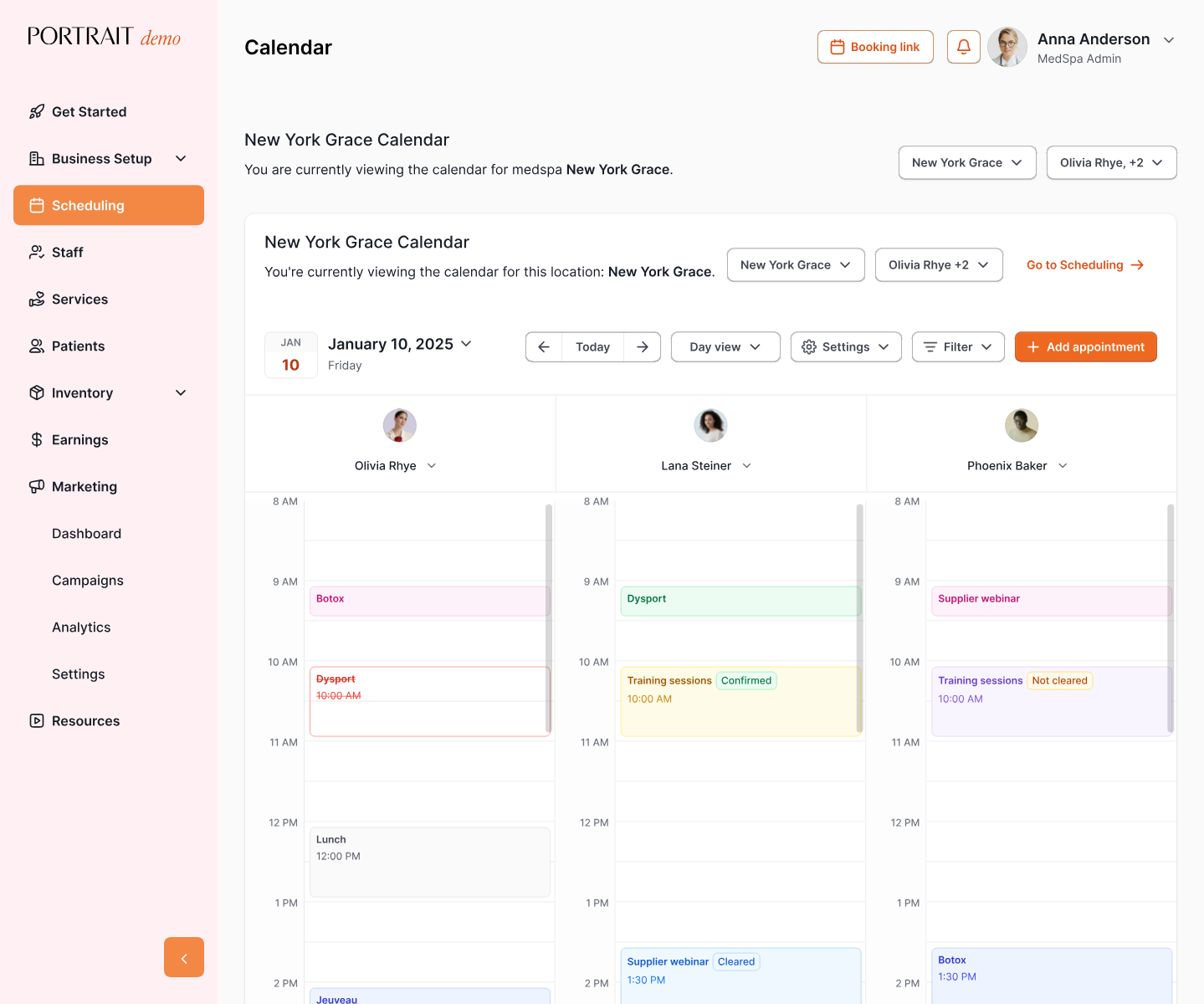



Stay Connected with Portrait Care
Subscribe to our email list and receive the latest insights, updates, and exclusive content delivered straight to your inbox.