Empowering Professionals at Every Stage
Portrait offers strategic expertise to help you make informed decisions and achieve long-term success.
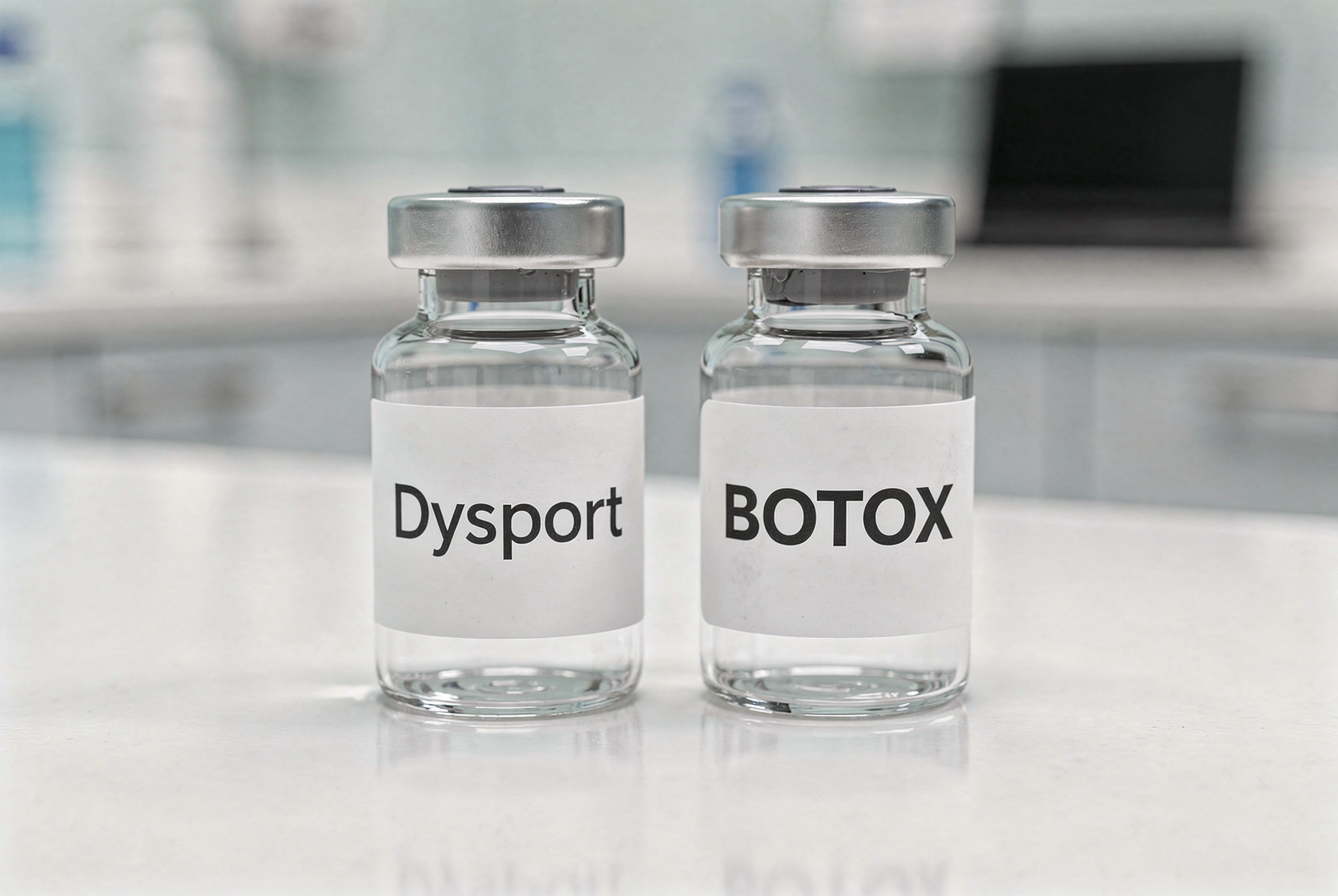
Book Intro CallTrying to decide between Dysport and Botox for your med spa? Here’s the short answer: Both are proven revenue drivers, but they’re not the same. If you want to maximize results and profit, you need to know how each product performs for patients and your bottom line. This guide gives you the clinical facts and the business details so you can make smarter choices, fast.
Botulinum toxin is a huge part of the aesthetic market. In 2024, it made up 45.9% of all U.S. injectable sales. Both Botox and Dysport are powerful tools for results and revenue, but you shouldn’t treat them as identical. There are key differences in how they work, how you use them, and how each affects your profit margins.
Dysport vs Botox: What Providers Really Need to Know
Let’s keep it simple. Botox and Dysport both work, but you’ll want to know exactly how they differ to make the right call for each patient and your business.
Botox is the better-known brand. It’s made by Allergan (now AbbVie) and FDA-approved for cosmetics since 2002. Dysport, produced by Galderma and released in 2009, is a popular alternative that has its own advantages.
The biggest difference is in their protein size and formulation. Botox has a larger protein and comes more concentrated. Dysport’s proteins are smaller, so when you inject it, it spreads more in the tissue. That little difference means a lot in practice. Both contain botulinum toxin type A, but their unique makeup affects how quickly patients see results and how far the product diffuses. If you understand these distinctions, you’ll choose with confidence, not guesswork.
How Dysport and Botox Work
Both block acetylcholine at the neuromuscular junction. That stops muscles from contracting, so the skin above looks smoother as dynamic wrinkles reduce.
The real difference is spread. Botox tends to stay close to where you inject it. Dysport has a broader area of effect because of its smaller protein size.
For big areas like the forehead, Dysport’s spread can give you a smooth, blended look. For smaller zones, like crow’s feet or the area between the brows, Botox lets you control exactly where it works.
Some injectors use both at once: Dysport for the forehead, Botox for the eyes. Both can have a place in your practice with the right techniques.
Onset and Duration: What Patients Notice
Your patients will see Dysport results in two or three days. Botox takes around five to seven days to show effects. That’s important if someone wants fast results before a big event.
As for how long they last, they’re closer. Usually, both last three to four months, sometimes longer if you’re lucky or a slow metabolizer. The Cleveland Clinic backs this up.
Set clear expectations up front so the patient isn’t surprised. Quicker results from Dysport don’t mean it fades out faster, and you can’t promise Botox will always last longer for everyone.
Pricing and Profit: How to Charge for Dysport and Botox
Dysport and Botox aren’t the same unit-for-unit. The standard rule is 1 Botox unit = 3 Dysport units. So Dysport might look cheaper per unit, like $5 versus $15 for Botox, but total costs are about the same. Tell patients up front so they aren’t confused.
Wholesale prices matter for your profit margin. Botox usually costs you $6 to $8 per unit as a provider. Dysport can be less per unit, but because you use more units per treatment, your real costs come out pretty even.
Let’s use numbers: If you pay $3.50 per Dysport unit and charge $5, that’s $1.50 profit per unit. So, with 60 units, you make $90 gross margin per patient. If you buy in bulk and get discounts, your profit gets even better.
Injectables are your major revenue stream. With good pricing, you’ll see margins from 50% up to 70%. If you miss the details, you leave money on the table.
What Affects Your Pricing?
- Location: Cities like L.A. can charge $18 per unit, but the Midwest may average $12.
- Brand matters: Botox is a household name. Patients pay more for it. You might need to educate patients about Dysport to get them on board.
- Your experience: Injectors who’ve trained for years can charge more, no matter which product they use.
- Overhead: Think about staff, supplies, and consultation time when setting your price.
- Memberships: Instead of discounting, offer memberships that give value and encourage loyalty. Deep discounts hurt your business and teach patients to wait for deals.
Results and Satisfaction: Does Dysport Work as Well as Botox?
Both products have strong results behind them. The Dysport DREAM Study followed 120 people for more than a year and 95% were happy at 12 months after just two treatments. 98% said they’d pick Dysport again. Those are strong numbers.
Botox has decades of studies. One published in the Aesthetic Surgery Journal showed patients thought they looked an average of 5.6 years younger after injections and boosted satisfaction by 28%.
In real life, some patients just get better results with one over the other. If someone has become resistant to Botox or finds their results have plateaued, Dysport’s slightly different protein makeup gives you another option. The reverse is true, too. Selling both means you can personalize each treatment, not force a one-size-fits-all approach.
Before injecting, ask about their past experience. Get details on how soon they saw results, how long did it last, any issues? Use that info to pick the right product every time.
Combining Neurotoxins with Other Treatments
Botox and Dysport relax the muscles that cause dynamic wrinkles. They don’t add volume or fix skin texture issues. If you want the best results, combine your neurotoxin with a dermal filler. Fillers restore lost volume, so together they treat more of what bothers your patient. This can make results last longer and reduce how often the patient has to come back for touch-ups.
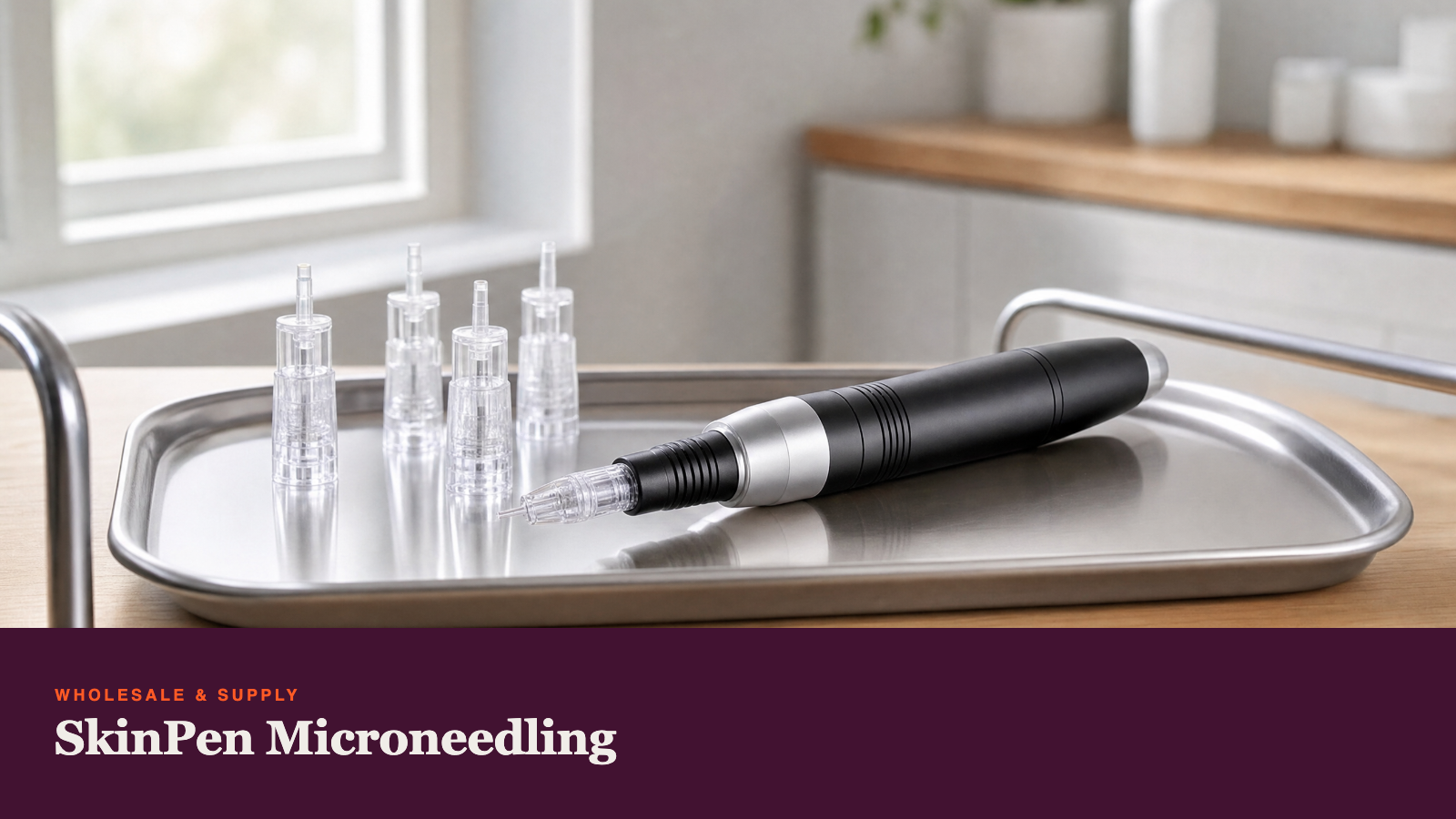
Microneedling is another great addition. If you do it along with neurotoxins, patients usually see smoother skin and the wrinkle-relaxing effects together.
From a business point of view, combined treatments bump up revenue for each visit and keep patients loyal. Average spend per patient was $1,471 in 2024. That number’s going up. Patients who buy add-on services like skincare or schedule a filler for next time stick around longer and are worth more over time.
If you haven’t tried them yet, memberships that include a set number of neurotoxin units every quarter, with member perks, are popular. They help you keep revenue steady and give your clients reasons to come back again and again.
How Portrait Helps You Save on Supplies
If you’re not shopping smart, you’re missing out on profits. Most med spas spend a lot on injectables, so any savings matter. With Portrait’s supply marketplace, you can save up to 60% on select products, including your top neurotoxins. There’s no revenue split, no contracts, and no markup. Every dollar you save goes to your bottom line.
Portrait’s inventory software is dead simple. As you use supplies, the count goes down in real-time. You’ll get alerts when it’s reorder time, so you never run out or waste product on the shelves. Clinics see their inventory costs drop by 15% to 20% just by using better tracking. Less waste means more money without changing your routines.
Takeaways: Dysport vs Botox
You don’t have to pick one winner in the Dysport vs Botox game. Use both tools and just know when each one works best. If you need a fast-acting and spreading neurotoxin, Dysport is your go-to for big areas and on-the-go patients. If you want ultimate control for detailed work or want a top brand, Botox still rules. Offering both, pricing right, and bundling services is how you keep patients happy and profits up.
Portrait makes the business side easy. You get great supply prices, smart inventory tools, and one simple platform to handle the busywork, so you can focus on your patients. Want to boost your margins and cut out the hassle? Check out Portrait today.
Savings vary by practice, product mix, and order volume. Figures reflect select products and are not guaranteed.
Related reading
One Platform.
Everything You Need.
Everything You Need.
Portrait combines the technology, support, and savings to run and scale your modern medical wellness business.
Book Intro Call


Stay Connected with Portrait Care
Subscribe to our email list and receive the latest insights, updates, and exclusive content delivered straight to your inbox.