Empowering Professionals at Every Stage
Portrait offers strategic expertise to help you make informed decisions and achieve long-term success.
Book Intro CallIf you're running a med spa, the number one thing to know about BPC-157 is that there's no official dosing standard. You can't just copy a protocol off the internet and call it a day. The FDA hasn't approved BPC-157 for any human use yet, and no large human trials set a clear dose. Any use should be medically supervised, with compliance and safety front and center.
Patients keep asking about BPC-157 for gut health, recovery, inflammation, and performance. They're usually hearing about it online, from podcasts, or in biohacking groups. That patient demand is real, but to offer it safely, you need a medical workflow. Here's what that means for your clinic.
BPC-157 Dosage: What Med Spas Need to Know First
BPC-157 is a synthetic peptide of 15 amino acids from a gastric juice protein. People talk about it for tissue repair and gut wellness. But it's not FDA-approved and there isn't an official prescription drug for it.
This means your licensed provider needs to direct everything involving BPC-157. It's got to follow state rules for compounding and prescribing. Don't promise it's a guaranteed treatment or cure. Most evidence is from animal studies, and large human trials are missing.
Why There Isn't a Universal Protocol
BPC-157 doesn't have an FDA-reviewed protocol. All the dosing info online is from clinical experience, animal studies, or compounding pharmacy suggestions. No one has an official label.
Dosing depends on the patient, their goals, the administration route, medical history, the product, and state laws. These decisions belong to your medical director, not online forums or what other clinics do.
Why Standardizing Decision-Making Matters
The real question isn't "What dose should we use?" It's, "How do we create a safe, compliant process?" That looks like:
- Written protocols
- Clear eligibility criteria
- Strong informed consent forms
- Set follow-up checks
- Adverse event reporting
- Staff training
Standard workflows protect your patients, your providers, and your spa. Managers shouldn't call these shots alone. The medical director must get involved.
Common Factors Affecting Peptide Dosing Protocols
When a clinician writes a peptide plan, they look at a lot of things:
- Patient goals and symptoms
- Medical and injury history
- Contraindications and current meds
- ADT: Previous exposure to peptides
- Method of administration
- Product concentration
- Time frame of treatment
- The monitoring plan
Non-clinicians shouldn't make these choices, and don't just copy what other clinics do without review by your medical director.
Patient Goals and Treatment Intent
Most patients want to recover faster, optimize wellness, or help a musculoskeletal issue. Document every goal before starting therapy. Always be upfront about what you do and don't know. Avoid big promises. Just because BPC-157 is popular doesn't mean it's right for each patient.
Route of Administration
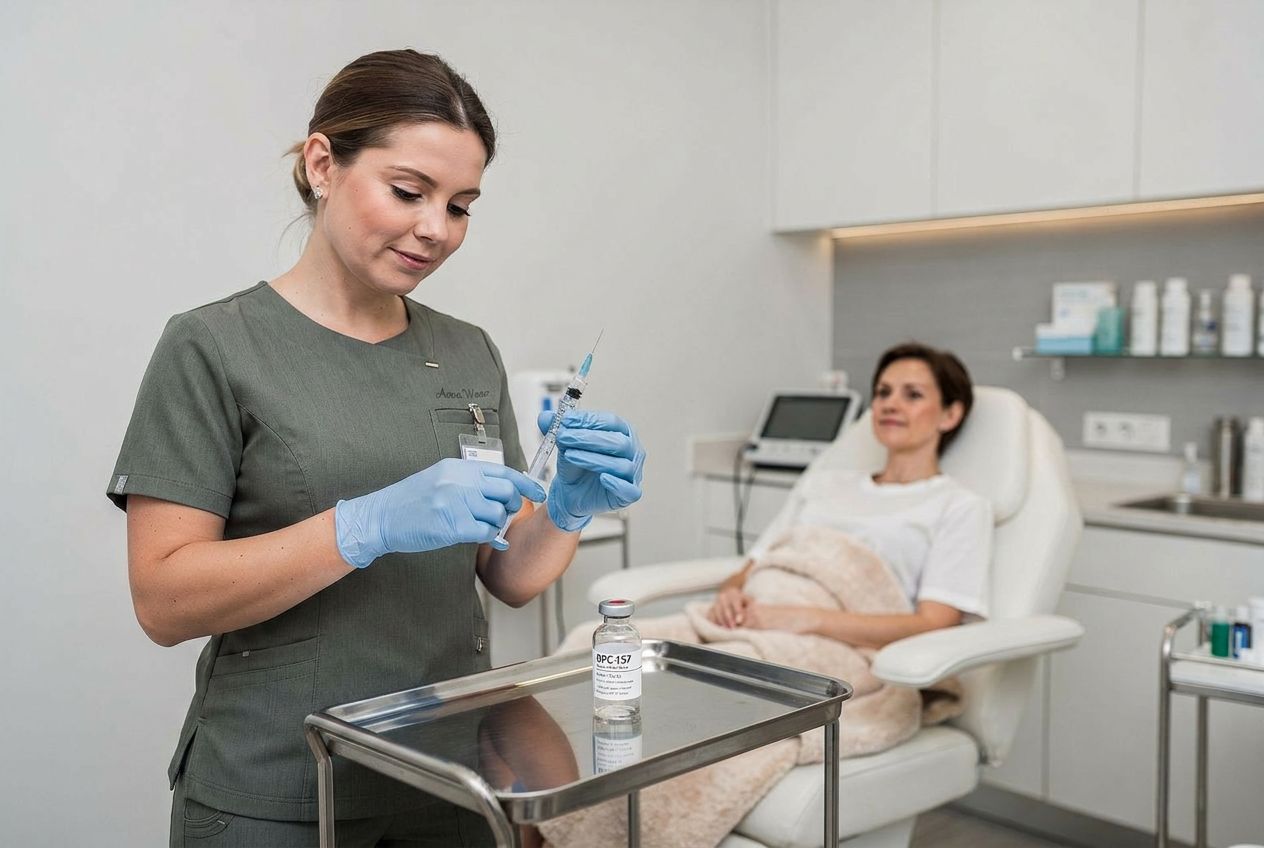
BPC-157 can be given subcutaneously, intramuscularly, orally, or sublingually depending on the clinical scenario and jurisdiction. Each method needs specific training for clinical staff, from storage and prep to injection techniques, sharps safety, and patient instructions. It's a prescription therapy, not a retail item, so don't treat it like one.
Treatment Duration and Reassessment
Every peptide plan should include built-in check-ins. Providers should watch symptoms, flag adverse events, document progress, and decide if therapy continues or stops. Medical directors need to review protocols, especially if a patient doesn't respond after 4-6 weeks, side effects appear, or new regulations come up.
Clinical Screening Before Offering BPC-157
Before anyone gets BPC-157, a provider must complete a full medical screen. This takes in the entire med history, medication and allergy check, and reviews for pregnancy or breastfeeding.
Cancer history is key due to BPC-157's angiogenic properties. Other flags are autoimmune diseases, infections, recent surgery, blood thinners, and kidney or liver impairment. Eligibility is always a licensed provider call and must be documented.
Who Reviews Eligibility?
The medical director, prescribing MD, NP, or PA within their legal scope have to review this, depending on your state. Non-clinical staff can't make this call. Set up clear rules so your team knows when to escalate to a clinical provider.
Consent and Patient Education
Every patient signs a detailed informed consent before starting. This should explain:
- The therapy isn't FDA approved
- Possible risks and lack of proven benefits
- Other treatment options
- How often they'll check in
- Who to contact with questions
Use everyday language. Skip the hype. Make sure patients understand exactly what off-label use means, what risks and benefits there are, and what the alternatives look like. Informed patients trust you more over time.
Operational Workflow for Med Spas Adding Peptides
Offering peptides needs more than a supplier. You need the right scheduling, charting, inventory controls, ordering setup, signed consents, provider reviews, task lists, and reminders for follow-up care. Treat this as much as a business project as a clinical one. If your processes aren't ready, don't advertise the service yet.
Build Protocols Right Into Your EHR
Add ready-made templates for intake, consent, visits, treatment plans, follow-ups, adverse event notes, and tracking inventory. If you do everything in one system, including bookings, charting, payments, ordering, it's way easier to stay on track and spot issues before they grow. Make sure you track lot numbers and expiration dates in your workflow, not on a separate spreadsheet.
Train Both Clinical and Non-Clinical Team Members
Give injectors and clinical staff detailed protocol training, including screening and documentation. Give your front desk and coordinators approved talking points and crystal-clear rules on what they can say.
Always send clinical questions to a licensed provider. Put escalation steps into onboarding and ongoing team training.
Document Every Touchpoint
Detailed notes are your best risk protection. Log consult answers, patient questions, consents, product lot info, all follow-ups, reorder and refill requests, and updates from check-ins. If a question comes up and you say no to BPC-157, write down your reasoning and that discussion too.
Compliance and Sourcing for Peptide Programs
Sourcing is about compliance just as much as price. Since April 2026, BPC-157 sits on the FDA's 503A Category 2 list. 503A pharmacies can't legally compound it right now. The next FDA review is July 23, 2026, so keep an eye out for updates. Until then, treat BPC-157 as high-risk and stay updated.
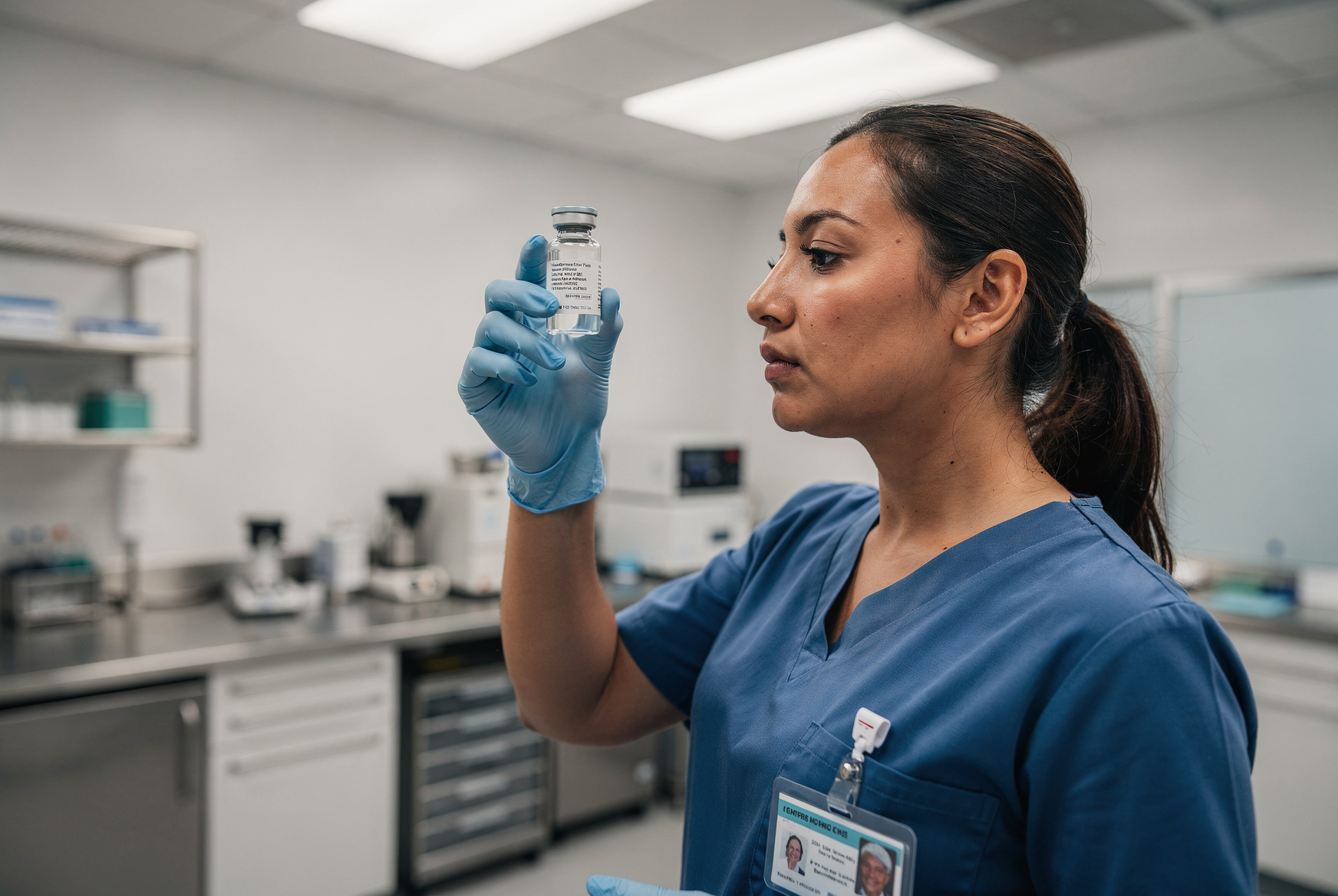
Always work with pharmacies that have top accreditations. Ask for:
- Certificates of Analysis with third-party test results
- FDA registration
- GMP certificates
- Batch release papers
Skip gray market or "research-use-only" vendors. Using those guys puts your license and patients at risk.
Compounding and Regulatory Oversight
Peptide compounding rules change all the time and depend on the state. Some state boards are already checking out spas using non-FDA peptides. Alabama already banned research peptides as of May 2026.
Always double-check with legal and your director before you offer a peptide. Audit your list and check your state every time you consider adding something new.
Marketing Claims to Avoid
Don't claim BPC-157 heals, cures, or treats anything: not injuries, tissue repair, gut problems, or pain. Don't say it "reverses aging" or guarantee results.
Both the FDA and FTC regulate health claims, and false claims get you in trouble fast. Focus your marketing on the consult process and personalized plans, not promises of results.
Patient Experience: How to Communicate Expectations
Start by setting realistic expectations. Be direct about what you know, what you don't, and the review timeline. Let them know what symptoms to track, when to mention side effects, and how they can contact you. Patients trust you more when they know the full picture.
Use Clear, No-Hype Language
Talk simply and directly, because that's what builds trust. Don't repeat wild claims from podcasts unless you have the evidence to back it up. Always explain the off-label nature in plain English. The more informed patients feel, the more likely they are to stick with your practice.
Create Follow-Up Touchpoints
Make sure you have reminders, texts, check-ins, and follow-up visits locked into your EHR and scheduling. This keeps patients safe and your processes consistent. Build these routines from the start so nothing slips through.
How to Price and Package Peptide Services the Right Way
Your pricing needs to reflect the true costs, not just the product or injections. Factor in provider time, consults, what you pay for product and supplies, all your compliance needs, and your software. Don't try to win with low prices. A detailed peptide program that's medically managed deserves a higher price, and your patients pay for that service.
Track Margins Carefully
It can look like you're making good money on peptides, until you count inventory waste, reorders, shipping, staff hours, and follow-ups. Track your cost of goods, usage rates, and how often you reorder. With careful management, wellness and hormone services can run 50-70% margins, but you have to know your supply costs.
Don't Let Packaging Override Clinical Judgment
With memberships or wellness packages, a provider review must happen for every patient, every time. Don't let a bundle or package replace a clinical assessment. Patient safety comes first, not the sales numbers. Build that into all your program designs.
Common Mistakes Med Spas Should Avoid
There are some mistakes clinics make again and again. These get you in trouble fast:
- Copying protocols from forums without medical director signoff
- Buying from gray-market suppliers
- Leaving the medical director out of key decisions
- Making big, unsupported claims in your marketing
- Skipping patient consent or not documenting it well
- Forgetting to track lot numbers and product info
- Letting non-clinical staff answer medical questions
- Ignoring your state's rules on scope and compliance
Mistake: Treating Peptides Like Retail Wellness Items
Even with high demand, peptides aren't just supplements or retail items for your shelf. They need clinical review and documentation. Your provider needs to be involved from the beginning. If your team is treating them like products to bundle, change your process ASAP.
Mistake: Launching Before Workflows Are Ready
Set up your EHR templates, scripts, consent forms, supplier process, inventory controls, and follow-up before you launch. Marketing a service before you've built the infrastructure puts both patients and your clinic at risk. Build the system first, then go live.
Save on Peptide and Wellness Supplies With Portrait
Product costs can decide if your peptide program wins or loses. Portrait gives you access to great prices from a national supplier network covering peptides, wellness, injectables, GLP-1s, IV/IM supplies, skincare, and more. Some clinics save over 60% when they use one platform instead of juggling dozens of vendors.
Portrait's inventory management is built for busy clinics. It tracks your stock in real time, sends reorder alerts, and shows you what you've got left automatically. You won't run out or over-order, so you keep a tight grip on your costs.
Plus, with EHR, payments, CRM, compliance, and ordering all in one place, you don't have to stitch together tons of different tools. Everything runs together so you keep your clinic organized, compliant, and making money.
Build a Peptide Program That Protects Patients and Margins
The best approach to BPC-157 isn't about copying protocols. It's about building a compliant, supervised process with strong systems and detailed documentation. Dosage decisions belong with qualified providers, supported by proven workflows and legit suppliers.
Consult your medical director and legal counsel before you launch any new therapy. Review every supplier. Check your marketing for compliance. Build operations so you can handle new regulations calmly.
If you want software that makes all this simple, Portrait brings together business tools and supply savings, letting you focus on running a growing, safe, and profitable clinic. Check out Portrait for your med spa today.
One Platform.
Everything You Need.
Everything You Need.
Portrait combines the technology, support, and savings to run and scale your modern medical wellness business.
Book Intro Call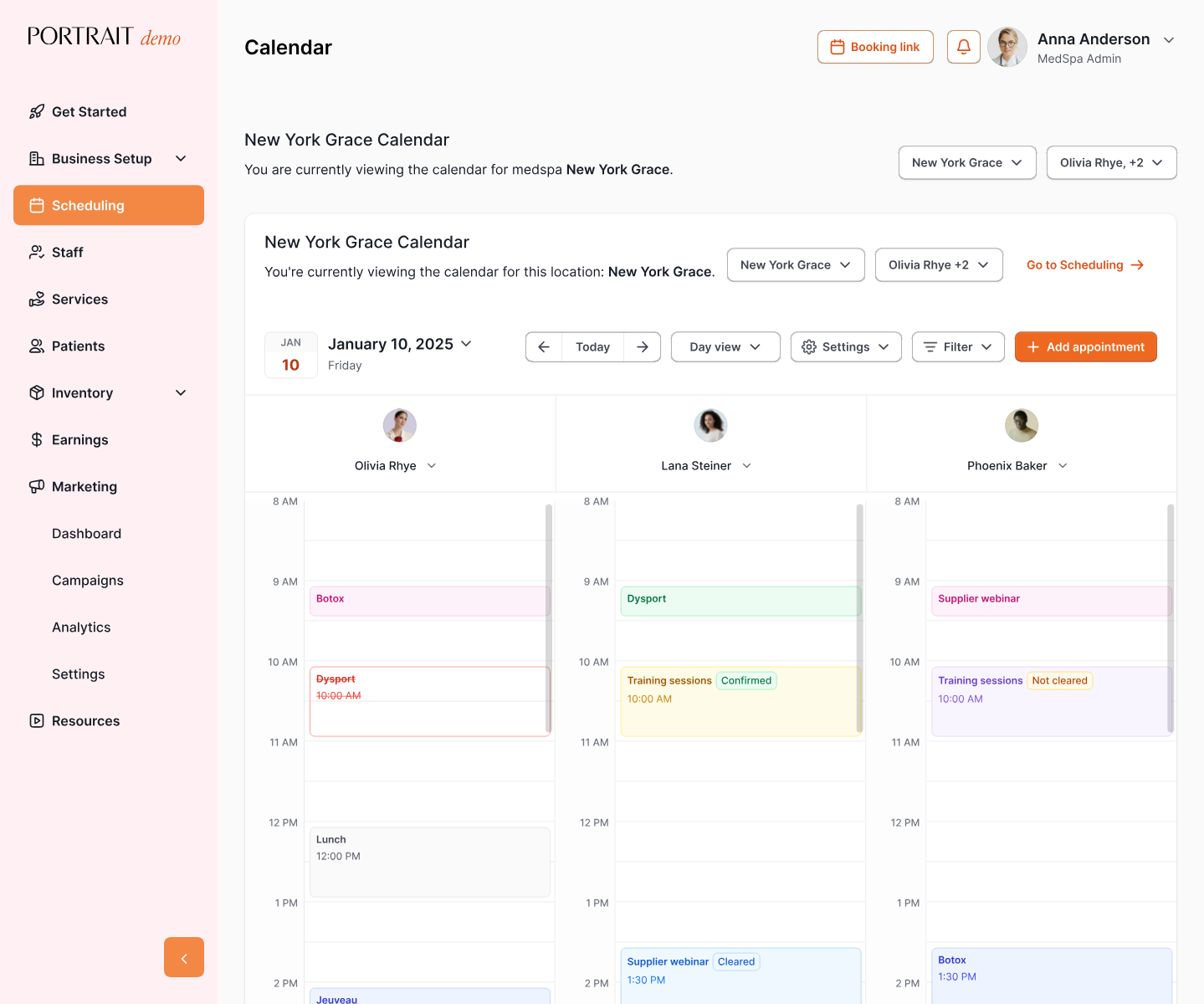
Stay Connected with Portrait Care
Subscribe to our email list and receive the latest insights, updates, and exclusive content delivered straight to your inbox.