Empowering Professionals at Every Stage
Portrait offers strategic expertise to help you make informed decisions and achieve long-term success.
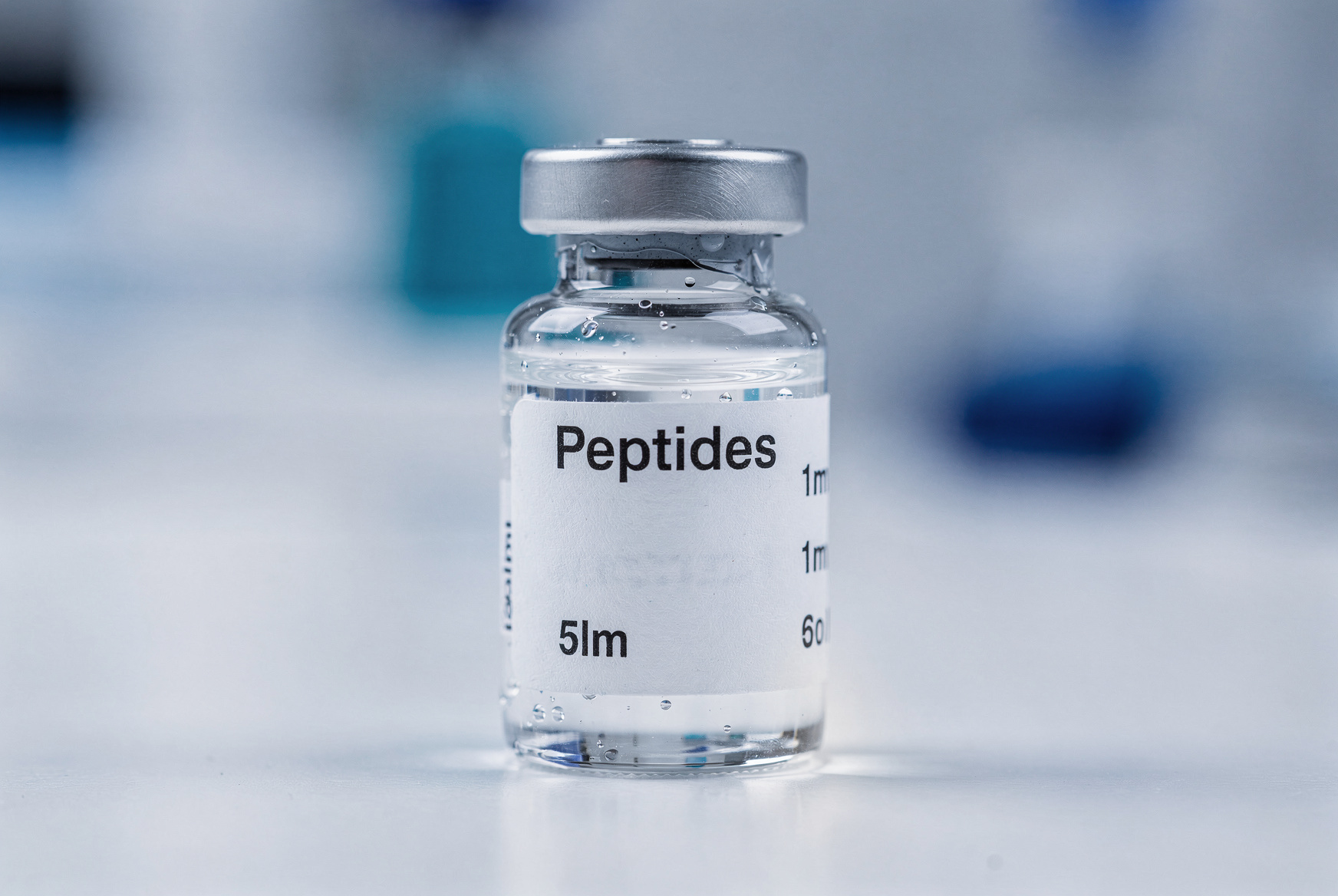
Book Intro CallPicking the right peptide supplier is more than just finding the lowest price. The supplier you choose affects everything: patient outcomes, compliance, clinic workflows, and your profit margins.
If you choose based on cost alone, you’ll end up with unreliable results, compliance issues, and inventory problems.
In this guide, we'll show you exactly how to find the best peptide suppliers for your med spa, verify quality, spot common red flags, and set up a buying workflow that protects your business.
Why Peptide Sourcing Matters for Med Spas
Peptides play a part in many med spa services, including skin treatments, wellness protocols, body composition support, recovery, and other therapies. Your options depend on your state laws, scope of practice, and medical oversight. No matter the service, your supplier choice impacts patient satisfaction, provider confidence, and the flow of your day-to-day work.
If product quality is poor, expect spotty results and patient complaints. If your sourcing can’t stand up to scrutiny, you could face audit risks, licensing headaches, or worse. As we say in our Peptide Supplier Guide, peptides touch every area of your business: clinical care, compliance, daily operations, and COGS. One mistake can unravel everything.
What "Cosmetic Peptides" Can Mean in a Med Spa Setting
"Cosmetic peptides" is a huge category. Basically, peptides are short chains of amino acids acting as signaling molecules. They stimulate collagen, help skin repair, and improve tissue quality. You’ll see them in everything from over-the-counter serums to compounded injectables. Each type has different rules for oversight, documentation, and vetting suppliers.
Topical Peptides
Topical peptides are probably the easiest to access. They include:
- Signal peptides like Palmitoyl Pentapeptide-4 (Matrixyl) for collagen and elastin production
- Carrier peptides like GHK-Cu for wound repair and skin rejuvenation
- Neurotransmitter inhibitor peptides like Acetyl Hexapeptide-8 to reduce fine lines
Take GHK-Cu. It's legal as an over-the-counter cosmetic and in compounded prescription topicals from a licensed pharmacy. You can offer it as a stand-alone treatment or combine it with existing procedures.
A GHK-Cu serum works after microneedling to boost collagen. Post-laser or peel, it speeds recovery. It’s also a smart retail move if you want targeted, medical-grade sales. For details, check our GHK-Cu sourcing guide.
Even for topicals, you need legitimate brands, clear ingredients, and lot tracking. Less regulation doesn’t mean zero diligence.
Prescription or Compounded Peptides
Prescription and compounded peptides are medical therapies. You need a valid prescription, a licensed prescriber, a documented patient-provider relationship, and sourcing from an accredited compounding pharmacy or a trusted medical supplier.
Compounding pharmacies operate under pharmaceutical conditions, test for sterility and potency, and only make products for people with valid prescriptions.
State laws really vary. Some states restrict certain peptides completely. Involve your medical director before offering anything new. Make sure you know your screening process and documentation for each step. In most states, you’ll need your medical director for any peptide program.
The FDA puts many peptides in Category 2, which means they've found safety concerns and these substances shouldn't be compounded. This includes BPC-157, GHK-Cu (injectable), CJC-1295, Ipamorelin, and others.
Category 1 peptides can be compounded if other legal boxes are checked. Rules are changing fast, so check guidance before you add any new peptide therapy.
Research-Use-Only Products
"Research use only" products are not approved for people. There’s no safety or purity check, and dosing is inconsistent. The FDA has said the RUO label is "a ruse to avoid FDA scrutiny for selling misbranded and adulterated products." Newer labels like "Physician Use Only" or "Clinic Use Only" don’t change the law at all.
Clinics using these products on patients have faced heavy fines, license suspensions, and sometimes criminal charges. The FDA issued over 50 warning letters in September 2025 targeting peptide vendors and GLP-1 compounders. Don’t risk your license for these products.
How to Vet the Best Peptide Suppliers
The best suppliers aren’t the cheapest. You want safety, traceability, compliance, consistent products, and reliable shipping. Here's how to check them out:
Verify Licensing, Credentials, and Distribution Channels
- Compounding pharmacies: Ask for their FDA Registration Number, GMP Certificate, PCAB accreditation, and LegitScript credentials.
- Look up suppliers on the FDA's list of registered 503B outsourcing facilities. It updates weekly.
- For 503A pharmacies, make sure their state license is current and they follow post-shortage compounding rules.
- Only choose vendors who tell you clearly who they are, where products come from, and if they’re allowed to sell to you.
- If a supplier can’t or won’t prove their credentials, move on.
Ask for Documentation Before You Order
You need a Certificate of Analysis (COA) for every batch. Only accept COAs from ISO 17025-accredited labs. For injectables, look for:
- At least 98% purity using HPLC
- Sterility results
- Endotoxin levels under 0.05 EU/mL
- Batch number, lot code, test methods (HPLC, mass spec, LAL endotoxin), and analyst’s signature and date
COAs showing 100% purity aren’t real. Don’t trust vague, undated, or in-house-only results. Always get third-party backup. Keep all your vendor records and COAs for each batch for audits, recalls, or adverse events.
Evaluate Storage, Shipping, and Cold Chain Controls
Most peptides break down with heat, light, or moisture. Lyophilized vials usually need storage at -20°C or below. Once you reconstitute, keep them in the fridge at 2-8°C for up to 28 days.
Problems happen most at transitions, not in the fridge. Getting shipments, staging them, and delivery is where things break down.
- Ask your supplier about cold shipping and packaging.
- Find out what they do if shipments are delayed or arrive warm.
- As soon as products arrive, store them right away and document any problems.
- Train staff to check shipments and report anything damaged, warm, or mislabeled.
Look for Consistency in Product Availability
Unreliable supply creates all kinds of headaches: canceled appointments, broken protocols, and stressed-out staff. Pick suppliers with strong fulfillment, updates on backorders, and clear reorder timelines. If your vendor disappears after the sale, they’re costing you both time and money.
Red Flags That a Peptide Supplier May Not Be Reputable
Some problems are obvious. Others are easy to miss when you’re busy. Look for these signs:
- No clear business address or vague product origin
- Missing or unverifiable license info
- COA templates with no specific lot data
- "Research use only" products marketed for clinical use
- Vague or missing storage guidelines
- Won’t answer compliance questions
- No contact after you buy
Claims That Sound Too Good to Be True
If suppliers make wild promises or the marketing sounds like a sales pitch, ask more questions. They shouldn’t make unsupported treatment promises. Always keep supplier marketing separate from your medical decisions. Make sure patient-facing claims go through a clinical review.
Pricing That Undercuts the Market Without Explanation
Saving money is great, but prices far below the market usually mean low-quality products or questionable sourcing.
Like we explain in our Peptide Supplier Guide, prices that seem too good to be true usually mean something’s off. The best savings come through legitimate networks and volume deals, not random bargains.
Compliance Questions to Ask Before Adding a Peptide Product
Just because you can get a peptide, doesn’t mean you should use it. Before you add anything new, check with your medical director and compliance advisor. Ask yourself:
Does This Fit Your Scope of Practice?
- Nurse practitioners can prescribe independently in some states, or under physician supervision in others.
- PAs always prescribe under a doctor.
- RNs can't prescribe but can administer with a doctor’s order.
- Aestheticians can’t prescribe or inject, so know your state’s limits.
Have your protocols set before you roll out new peptide services.
Can Your Team Document It Properly?
Every peptide patient needs:
- Full intake and medical history
- Screening for contraindications
- Informed consent
- Dose, administration details, and progress notes in your EHR
- Lot numbers and expiration dates tracked
- Reconstitution and disposal dates if required
Good sourcing isn’t enough. You need clean documentation, too. One without the other creates risk.
Build a Smarter Peptide Purchasing Workflow
Smart sourcing only works if you have a solid workflow. You’ll want a product approval process, a point person for buying, set inventory levels, expiration date tracking, storage documentation, and regular usage reviews. This helps you avoid over-ordering, stockouts, product waste, and risky last-minute buys.
Create an Approved Supplier List
Keep a tight list of trusted suppliers for each product category like skincare, injectables, wellness items, and other consumables. Record for each:
- Contact details
- Licensing info
- Ordering terms and shipping details
- Product categories and what documentation they provide
This stops random purchases and makes training new staff way easier.
Train Staff on Receiving and Inventory Checks
- Assign someone to receive shipments.
- Train them to check labels, expiration dates, and temperatures.
- Document any issues and know when to raise concerns to management or the medical director.
- The biggest cold chain risks happen when a shipment first arrives at your front desk.
Review Product Performance and Reorder Patterns
Track product use, waste, reorder frequency, and demand. This tells you what really deserves a spot on your shelf. The more you connect inventory data to actual use, the lower your costs will usually be. Clinics using digital tracking see lower product costs than those handling inventory by hand.
How Better Supply Management Protects Your Margins
If you want your med spa to thrive, control your cost of goods while keeping clinical standards high. Retail COGS should be around 40% to 50%. If it creeps past 70%, you’ve got a problem with pricing, buying, waste, or paperwork.
Stuff like supplier overload, rush buys, expired stock, and bad tracking quietly eat up your profits. Saving money means using real channels, not cutting corners on quality or compliance.
Avoid Structural Loss in Everyday Ordering
Buying from too many places means higher per-unit prices and headaches tracking it all. If you miss discounts, overstock low-use items, or lose track of dates, it adds up to lost money.
Clinics that stick with a few trusted suppliers get better deals and simpler reorders. You can use those savings for marketing, training, or new services instead of writing off wasted products.
Save on Peptide and Wellness Supplies With Portrait
Portrait gives med spas access to a connected marketplace with over 2,000 medical products including peptides, GLP-1s, HRT, IV/IM items, injectables, devices, skincare, and regular supplies. You can save up to 60% through Portrait’s national supplier network. You’ll see savings right away and get rebate points for future orders too.
Portrait’s inventory system plugs right into your EHR. As you treat patients, your counts update instantly. You get alerts when stock gets low, so you’re not scrambling or losing money on expired vials.
Everything, including EHR, scheduling, payments, charting, and inventory runs on one platform. Portrait also backs you up with medical director oversight and compliance support, so your peptide programs are covered. No revenue share. No locked contracts. Just an easier, cheaper way to handle the supply chain.
Choose Suppliers That Support Safer Care and Stronger Growth
At the end of the day, solid peptide sourcing is about quality, documentation, compliance, smooth logistics, and smart inventory all working together. The best suppliers aren’t the cheapest or flashiest. They’re the ones who help you get consistent results, stay compliant, and keep your margins healthy.
Don’t settle for a random supplier you found online. Build a vetted system. If you want to make ordering simple, get real supply savings, and run your med spa more efficiently, check out what Portrait can do for your clinic.
One Platform.
Everything You Need.
Everything You Need.
Portrait combines the technology, support, and savings to run and scale your modern medical wellness business.
Book Intro Call

Stay Connected with Portrait Care
Subscribe to our email list and receive the latest insights, updates, and exclusive content delivered straight to your inbox.