Empowering Professionals at Every Stage
Portrait offers strategic expertise to help you make informed decisions and achieve long-term success.
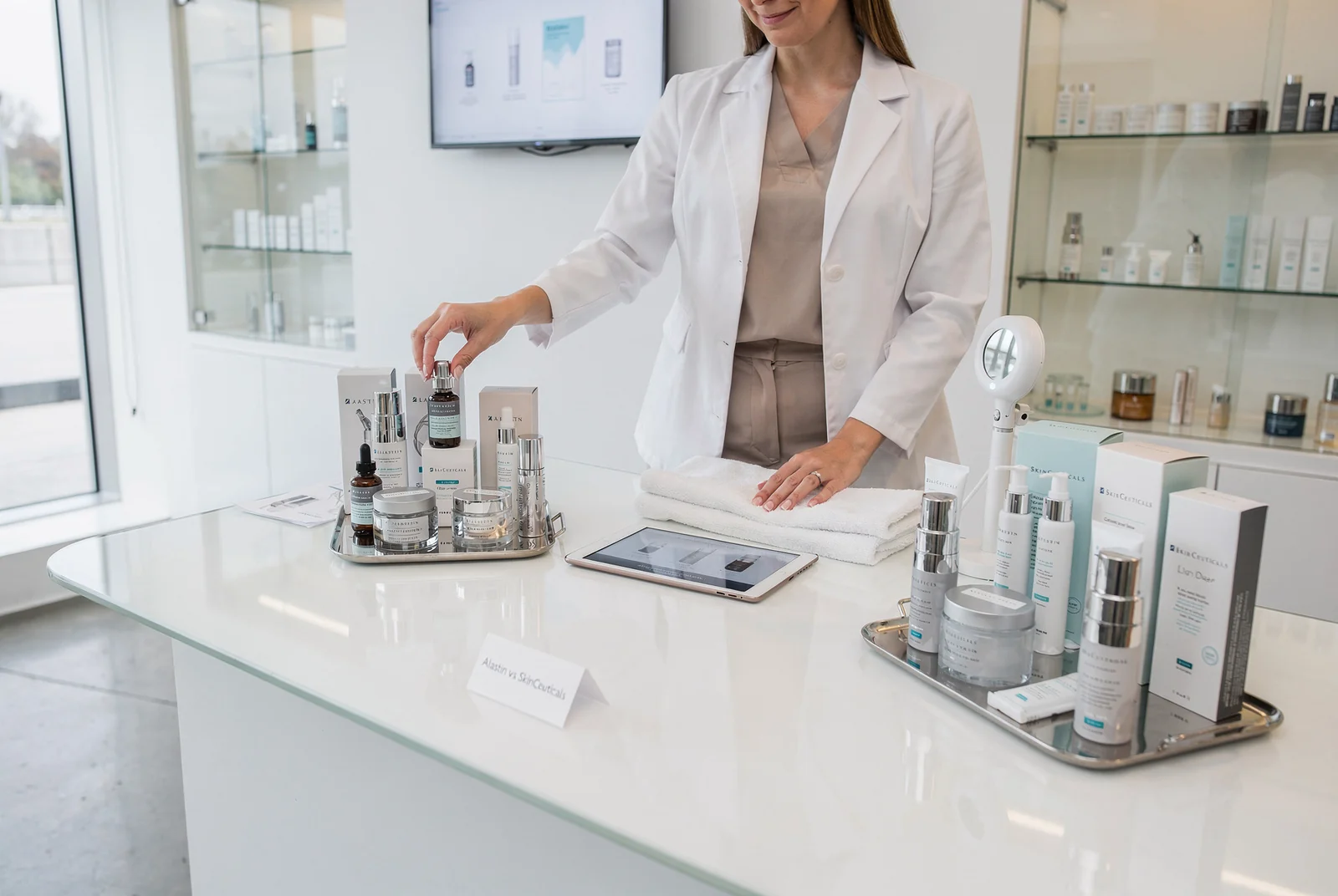
Book Intro CallIf you’re debating Alastin vs SkinCeuticals for your med spa’s retail shelf, here’s the bottom line: pick the brand that fits your treatments, patients, and sales style. Both have strong clinical backing, but each shines in different situations. Your shelf drives patient outcomes, provider confidence, and recurring revenue, so choose with your business goals in mind, not just personal preference.
Alastin is procedure-driven, backing up things like laser resurfacing or RF microneedling. SkinCeuticals is built for prevention and ongoing correction, supporting long-term skincare and patients who want daily regimens. Let’s break down exactly where each fits so you can make a simple, smart call for your practice.
Alastin vs SkinCeuticals: What’s the Core Difference?
Alastin focuses on pre- and post-procedure support. Its TriHex Technology® helps the skin clear out damaged collagen and elastin. Patients use it before and after in-clinic treatments for smoother recovery and better results.
SkinCeuticals is about daily prevention and correction. Their antioxidant serums, like C E Ferulic®, fight photodamage and pigmentation and maintain skin health between visits. You’ll see patients who research vitamin C and skincare science asking for these by name.
There’s no universal winner here. Choose based on your service mix, your patients, and how your team sells.
Where Alastin Fits Best
Alastin works best in clinics with lots of medical procedures like:
- Laser resurfacing
- RF microneedling
- Chemical peels
- Body contouring
- Injectables
Alastin Regenerating Skin Nectar is perfect here. Providers have an easy script: use it two weeks before and after your treatment. The product ties directly to the procedure, so recommendations come off as medical, not salesy. Patients get a kit that’s part of their clinical care, which builds trust and compliance.
Where SkinCeuticals Fits Best
SkinCeuticals shines in clinics focused on facials, pigmentation, and aging skin. Their “Prevent. Protect. Correct.” philosophy lines up with consultation-heavy visits and long-term maintenance plans. Patients who love skincare, browse ingredient lists, and want details tend to lean toward SkinCeuticals.
Its C E Ferulic® serum is recognized everywhere. If patients ask about antioxidants or bring up vitamin C, this is the brand they already know.
How to Choose Based on Your Treatment Menu
Start by looking at your core services. Think about what you actually do every day.
- If your biggest revenue comes from lasers, microneedling, skin tightening, or resurfacing, choose products that boost recovery and results. Alastin is the best fit here.
- If you focus on facials, skincare consults, or anti-aging programs, pick products built for daily regimens and maintenance between treatments. SkinCeuticals is the best fit here.
The smartest retail strategy links skincare with the entire patient journey: before, during, and after treatment. This keeps things simple for both staff and patients.
Procedure-Heavy Clinics
When in-clinic procedures are your focus, skincare should support every step. Prepping skin before laser and providing a post-care protocol makes outcomes better. Plus, it gives providers a clear, non-pushy reason to recommend.
Bundling skincare into packages works. Patients see it as care, not aggressive sales. This boosts average transaction value and compliance.
Consultation-Heavy Clinics
If your team puts in time building skincare regimens and tackling corrections, use brands that make that easy. You want products with:
- Clear ingredient stories
- Morning and evening protocols
- Results that show over time
This approach keeps patients coming back and lifts your rebooking rates.
Match Your Retail to Patient Types
Patients buy differently. Some want all decisions made for them. Others walk in knowing what tranexamic acid does and want to compare notes. Your retail lineup should match how your patients choose.
Listen for patient keywords: glow, texture, pigmentation, downtime, redness, prevention. These tell you what matters to them and guide your product story.
Patients Who Want a Simple, Doctor-Led Plan
Some want zero fuss. They trust you and just want clear steps. They don’t care about ingredients, they want to know what to use, when, and how. Give them a kit that’s locked to their procedure.
Alastin is made for this. The products are tied to medical treatment and explanations are easy.
Patients Who Love Researching Ingredients
Other patients read clinical studies and want every detail. They know clinical terms like L-ascorbic acid. They want explanations and discussions.
SkinCeuticals wins here because their products come with strong science and history. If your providers can teach and explain ingredient mechanisms, these patients respond and buy with confidence.
Your Retail Shelf Speaks for Your Clinic
The brands you stock aren’t just business, they show patients what you value. If your shelf focuses on recovery and procedure support, you’re obviously a high-touch process clinic. If you display cosmeceuticals and antioxidant serums, you signal a strong skincare focus.
Make sure your retail matches your clinic identity. Stick with what your team can confidently deliver every time.
Branding for Results-Driven Practices
If your bread and butter is technical procedures, build your shelf around those needs. Keep products close to treatment rooms. Train everyone to link skincare with the exact procedure just performed or scheduled.
When patients see products as part of their procedure investment, they’re more likely to follow care instructions and buy with zero hesitation.
Branding for Skincare Experts
If you’re seen as the place for expert skincare advice, make your retail reflect that. Use consults to build regimens and give ingredient education.
Plans for long-term correction support loyalty, referrals, and sales between treatment cycles. Patients trust your skincare picks, so they’ll introduce family and friends too.
Get Your Team Comfortable with the Products
Your skincare products only move if your whole team feels comfortable discussing and recommending them. This includes everyone:
- Injectors
- Aestheticians
- Front desk
- Patient coordinators
If your staff doesn’t understand or believe in what’s on the shelf, it doesn’t get recommended. Keep your assortment focused and simple. Train often with clear scripts and uses.
Must-Know Product Questions
- Who is this for?
- When should patients start using it?
- Does it fit with lasers, injectables, or facials?
- Anything patients should avoid just after a procedure?
- How do we show value without being pushy?
If your team stumbles on these questions, fix the training gap before you load up your shelf.
Know Your Margins, Turns, and Cash Flow
Medical-grade skincare usually carries margins of 40% to 60% , which is higher than a lot of other revenue areas. But those profits only matter if you’re moving products regularly.
Slow shelves tie up cash and risk expired inventory. Stay on top of what sells and reorder based on reality, not hope.
Don’t Overlap Too Much
If you carry both brands, don’t stock multiples of the same thing. Too many similar cleansers, serums, or moisturizers confuse both patients and staff.
Focus on must-have hero products. Choose intentionally to fill gaps, not just to load up your shelf.
Track What Sells and Why
Look at how often patients buy products after a consult or procedure. Check what gets reordered and which providers recommend the most.
Use this clinic data to dump anything slow-moving before it drags down margins and clutters your shelves. Real numbers beat brand training energy every time.
Should You Pick One Brand or Both?
Some clinics find it easier to start out with just one line. Others juggle both well. If you want your program simple, one brand is usually cleaner. It keeps training, inventory, and provider scripts straightforward. You can always add more once things run smoothly.
Larger clinics or practices with diverse services can carry both, just make sure each serves a clear purpose. For example, Alastin for procedure support and SkinCeuticals for maintenance and daily correction. No overlap, no confusion for anyone.
Your Quick Checklist
Before you order, walk through these points with your team:
- Which treatments bring in most of your revenue?
- What do patients ask about during consults?
- Which products will your team confidently recommend every day?
- What shelf layout fits your clinic’s brand?
- Are the SKUs you pick actually selling consistently?
- Does your pick keep margins healthy and ops simple?
Honest answers point you to the right brand.
Choose the Right Fit, Not the Hype
Both Alastin and SkinCeuticals are legit, medical-grade brands. The real question isn’t which one is best for everyone. It’s about what fits your actual treatment list, your team’s confidence, your patient base, and what makes retail easy and profitable for you.
How Portrait Saves Your Clinic on Skincare
Once you know what brands you want, you have to find them at smart prices. Portrait’s easy online marketplace gives independent clinics access to national-level savings of up to 60% on select products , including top skincare brands, injectables, and other clinic supplies. You order everything in one spot, saving your team time instead of juggling multiple vendors and chasing invoices.
Portrait doesn’t just save you cash. Simple inventory tracking, reorder reminders, and smooth purchasing keep you from running out of must-haves or tying up dollars in extra products. When you shave cost of goods, you get to reinvest in expanding your services or hiring great staff. Portrait makes sure you get the same supply prices as big chains, but you stay fully independent . And you don’t get locked into revenue splits or contracts.
Build a Retail Game Plan That Works
Your decision isn’t about declaring a brand winner. It’s about what actually fits your clinic. The right pick supports your patients’ outcomes, gives your team something they feel good recommending, and adds profit without extra busy work.
If you’re ready to save time and money, Portrait can help. Get skincare retail support , inventory tools, better supply pricing, and a single platform for EHR, scheduling, and ordering all in one login.
If you want to see how much you could save, check out Portrait for your practice .
Savings vary by practice, product mix, and order volume. Figures reflect select products and are not guaranteed.
Related reading
- Botox Cost Per Unit in 2026: A Clinic Owner's Guide to Pricing and Margins
- Letybo Price: How to Get Letybo for a Lower Price
- Obagi vs ZO: Pick the Skincare Line for Your Med Spa
- The Best AI Tools and Trends for Med Spas
- The Ultimate Neurotoxin Brand Comparison for Wrinkle Treatment, Cost, and More
Save up to 60% on select products
Explore how Portrait's marketplace could lower your total supply costs. Actual savings vary by product and purchasing needs, so start with pricing for your practice. See your supply pricing.
One Platform.
Everything You Need.
Everything You Need.
Portrait combines the technology, support, and savings to run and scale your modern medical wellness business.
Book Intro Call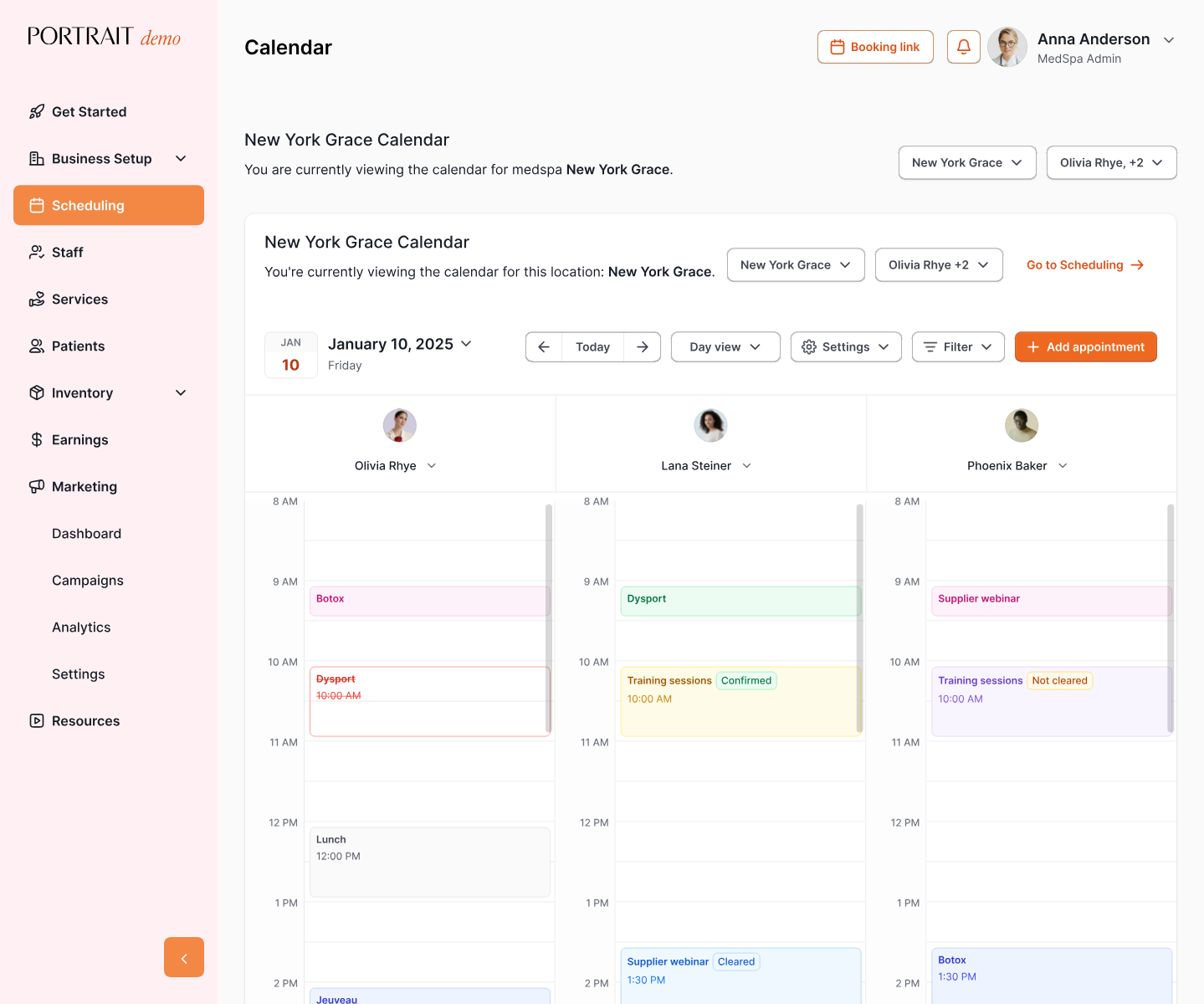

Stay Connected with Portrait Care
Subscribe to our email list and receive the latest insights, updates, and exclusive content delivered straight to your inbox.