Hidden Med Spa Supply Costs: Cannulas, Needles, Syringes, and Gloves
Jun 30, 2026

Portrait Care Team
Empowering Professionals at Every Stage
Portrait offers strategic expertise to help you make informed decisions and achieve long-term success.
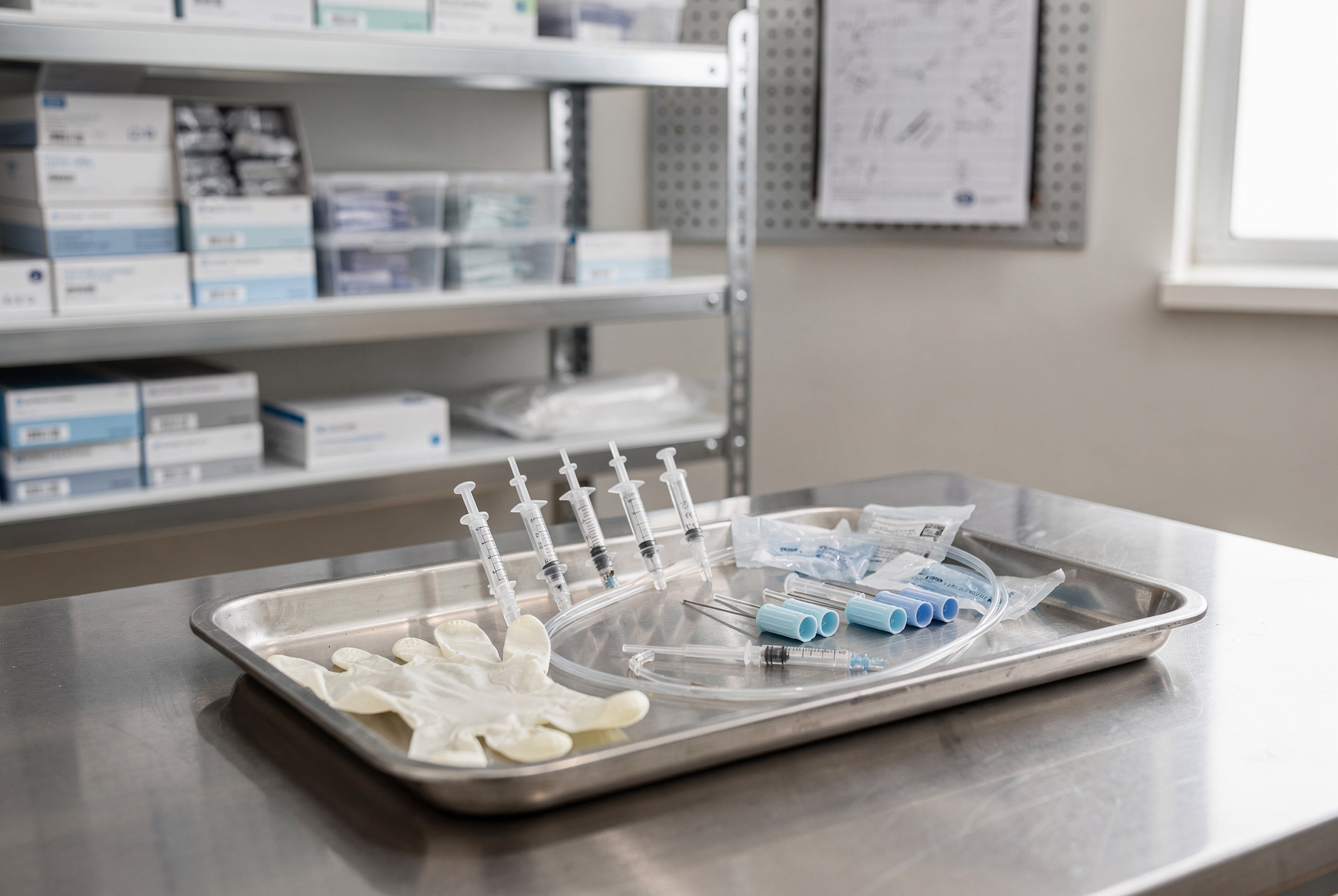
Book Intro CallSupply costs can eat away at your margins if you’re not paying attention. Most med spas focus on big-ticket items like toxins and fillers, but it’s the everyday consumables like cannulas, needles, syringes, gloves often fly under the radar. Managing these supplies better is the fastest way to stop margin leaks without ruining patient safety, provider workflow, or treatment quality.
If you want to cut costs and keep standards high, you need a few simple habits: review what you're really using, set clear stocking rules, and build an ordering routine your team can stick to. Small changes here end up making the biggest difference in your bottom line.
Why Small Supplies Eat Into Your Profits
Your COGS should land between 30% and 40% of sales. But when you don’t give enough attention to the little things like cannulas, needles, syringes, and gloves it’s easy for costs to creep above that.
These things get used every day by every provider. If you keep wasting supplies, costs pile up fast.
- Background supplies get less attention.
- Multiple people order separately, or no one keeps track, so it adds up.
- The “it’s just a box” mindset hides the true impact.
The Real Problem With "It's Just a Box"
A box of cannulas or gloves might seem like nothing—just $40 to $170. But think about these mistakes:
- Reordering too much
- Opening but not using supplies
- Letting sterile products expire
- Stocking duplicate brands or sizes just because of personal preferences
If providers each want their own brand or size, you end up with way too many slightly different versions of the same item. No one's tracking usage.
The good news? This is an operational problem you can fix.
Where Hidden Costs Sneak In
Supply waste usually comes from:
- Overstocking slow sellers
- Last-minute orders that need expensive shipping
- Letting provider preferences create duplicate SKUs
- Throwing out expired items
- No set reorder points, which means huge piles one week and nothing the next
Rush orders cost 10–20% more than standard shipping. You’re basically paying a penalty for not planning ahead.
Consumables That Deserve More Attention
Cannulas, needles, syringes, and gloves are critical for your workflow. You never want to cut corners on safety or the essential tools your team needs. But you do want to stop buying more than you need, carrying brands you rarely use, or losing track of what’s in stock.
Cannulas
You need different cannula gauges, lengths, and brands for various procedures. Still, if every provider has different preferences and you don’t watch what gets used, you’ll order way more than you need.
Specialty cannulas can cost around $168 per box. Stock what you use the most. Eliminate the extras that just take up space and tie up budget.
Needles
Needles multiply fast if you don't track them. Different gauges, lengths, and treatment protocols add up to too many SKUs.
The ones you really need are missing, and the stuff you don’t use piles up. Pick standard sizes based on your menu, but stay open to clinical exceptions.
Syringes
Syringes look cheap, but small price jumps eat into margins. When your syringe cost rises, your margin drops.
Waste comes from too many sizes, inconsistent orders, and opening packs that get tossed. Only stock what matches your process, because the rest just gets in the way.
Gloves
Gloves get used with every patient. They’re the most used single-use supply in healthcare and usage keeps going up. Waste creeps in from stocking too many sizes, material preferences, or staff grabbing the wrong size and tossing them.
Some clinics have cut glove use by 27%, which saved over $3,000 a year just by tightening up how they order and use gloves. The key is strict ordering, not reducing what’s safe.
How to Cut Your Supply Costs Without Risks
Don’t buy cheaper supplies or short your team on what they need. Just be smarter about what you stock.
Your mission: make buying simple, keep supplies visible, and set up easy routines that work every time.
Tips That Make a Difference
- Standardize supplies: Build a preferred list for cannulas, needles, syringes, gloves. Ask what providers really need and cut unnecessary duplicates. This keeps clinical judgment first but removes waste. It also makes training and ordering way simpler.
- Set par levels (stock amounts): Decide how many you need of each item and when to reorder. Adjust based on appointment volume, provider schedules, and busy seasons. A trigger on the low point tells you exactly when to reorder. No guessing or panic.
- Track usage by treatment type: Map out what each service uses: injectables, IV/IM therapy, weight loss, skin treatments, consults. If consumable usage spikes but appointments don’t, flag it and review what’s happening.
- Reduce rush orders: Make a habit to order every week or two. Let one person handle it. Routine buying keeps shipments cheaper and ordering more consistent.
- Stay on top of expirations: Always rotate supplies so those expiring soonest get used first. Check dates monthly. Never open items before the treatment plan is confirmed. Toss anything that isn’t sterile according to clinical protocol.
Build a Routine the Team Can Follow
Smart purchasing only works when everyone’s on board. Your front desk, injectors, and managers all deal with inventory. Make the process easy so no one slips up.
Make One Person the Order Boss
Providers can ask for tools, but one person (or a tight team) should place orders, approve vendors, and check the spending. This stops duplicate orders and missed rebates before they start.
Adopt a Simple Check-In/Check-Out System
Always log when supplies arrive, move, or need reordering. You don’t need fancy software. Just keep it consistent and visible for the whole team. No more mystery boxes in the supply closet.
Match Room Setups to What You Need
Put the typical amount in each treatment room. Store backup supplies in one spot. Label shelves, separate sizes, and keep the most-used things easy to grab. If you overstuff drawers, staff open items too soon and grab the wrong sizes. Waste adds up in ways you only notice at audit time.
Check Provider Preferences
It’s important to respect clinical judgment, but review preferences at least every few months. If a product sits untouched or a provider’s favorite size gets skipped by the rest of the team, talk it over. Honest reviews keep your supply list focused and costs in line.
What Hurts Profit Without You Realizing
Waste doesn’t come from one big mistake. It’s usually a bunch of bad habits that feel harmless but hurt over time.
- Buying Too Much on a Deal: Bulk discounts seem smart, but if half of it expires, you lose money, like losing $600 for every $2,000 you overstock.
- Buying Too Little: Don’t order bare minimums. Rush shipping and delays annoy patients and cost more in the long run.
- Letting Providers Pick Everything: This makes for too many SKUs and confusing ordering. Pick a core set of supplies, and allow exceptions only for clinical reasons.
- Messy Storage and Bad Turnover: Unlabeled drawers, mixed-up sizes, and random storage create waste. Fixes are easy: label shelves, store backstock together, set room setup routines.
What You Should Track Every Month
You don’t need to be a finance expert. Just watch these numbers:
- Total consumable spend: Track cannulas, needles, syringes, gloves, gauze, and antiseptics separately from toxins and retail products. This is where the creep sneaks in.
- Spend by treatment type: Break down use by injectables, IV/IM, skin treatments, or weight management. If spend rises faster than patient volume, dig into it.
- Wasted or expired supply: Note anything tossed for being out-of-date, damaged, or wrong-size. Frequent waste usually means a broken process.
- Runouts and shortages: Write down every time supplies run out and what it costs you. Half of manual tracking spas cancel appointments due to missed supplies. Fix your par levels if it happens more than once.
Want Easier Supply Savings? Use Better Systems
Portrait helps you skip the spreadsheets and save money by connecting you with a national supplier network. You can get deals on injectables, devices, wellness supplies, and consumables all in one spot without a contract lock-in or revenue split.
Through the Portrait Marketplace, you’ll access over 2,000 products, update supply numbers as you chart in your EHR, and even get low-stock alerts.
Inventory management tools let you set reorder points, see expirations, and track spending by category. That way, you get fewer missed rebates, less juggling of vendors, and a clean routine your team can follow.
Most clinics shave 15% to 20% off their monthly spend just by tracking better. Portrait makes the tracking automatic, so you can focus on your patients.
Protect Margins With Every Order
Cannulas, needles, syringes, and gloves might seem like small line items, but if you don’t keep up, they’ll hit your profits hard. Just set up a standard routine: review what you use, standardize where you can, set stock levels for high-use items, and make ordering so easy no one skips it.
These moves let you reduce med spa supply costs without cutting quality or making your providers compromise care. Just use better systems. If you want to manage supplies and ordering from one place, see how Portrait can help your clinic.
One Platform.
Everything You Need.
Everything You Need.
Portrait combines the technology, support, and savings to run and scale your modern medical wellness business.
Book Intro Call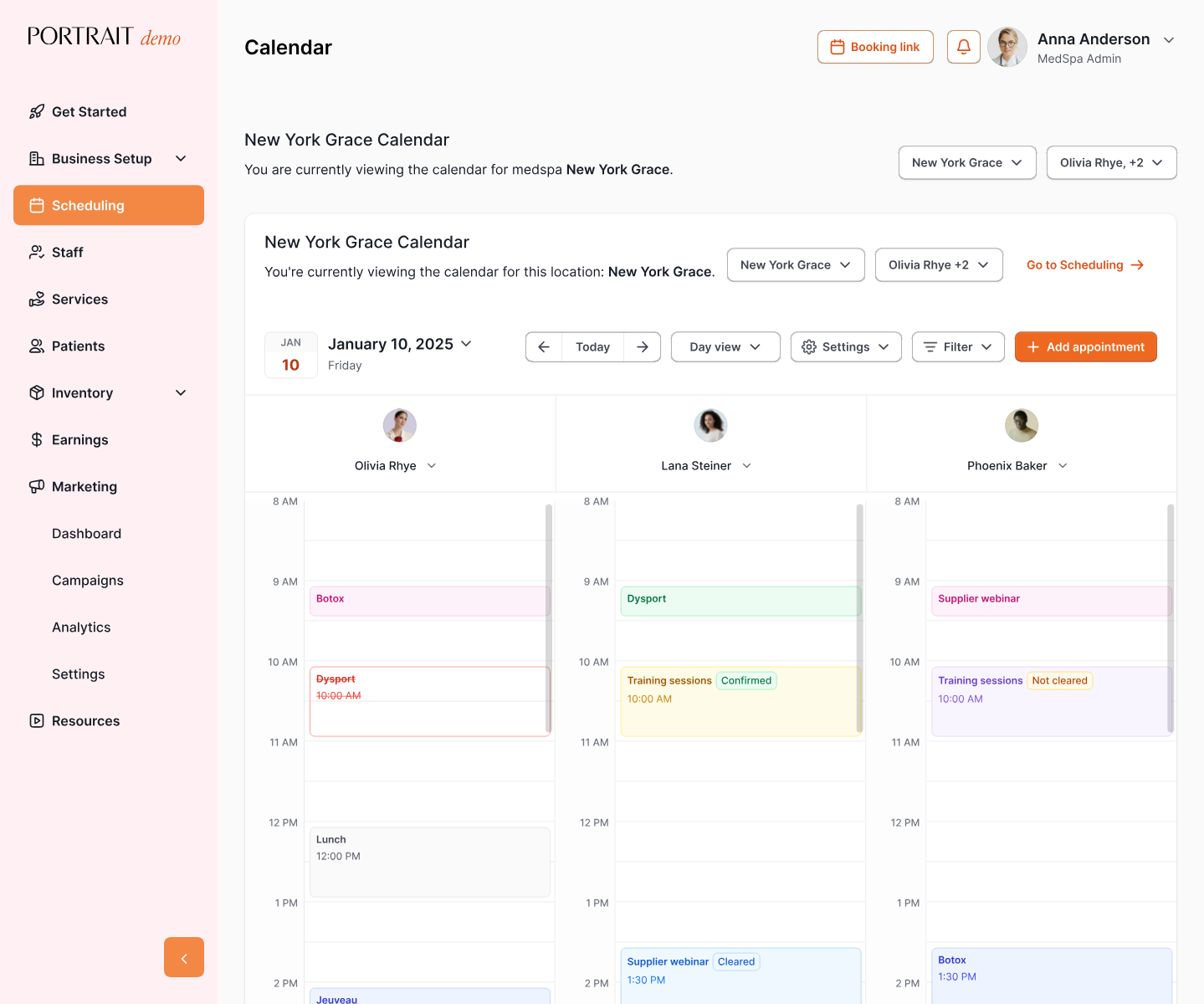


Stay Connected with Portrait Care
Subscribe to our email list and receive the latest insights, updates, and exclusive content delivered straight to your inbox.